PeptidePick preferred picks
Use the highest-value vendor routes first.
Your Trusted Guide to Research Peptides
Independent vendor reviews, COA verification guides, and research-backed peptide information built to help you choose a research-only supplier faster.
Fastest money routes
Ready to pick a peptide supplier? Start here.
Pinnacle is the strongest discount play because Peptidepick15 gets 15% off. Ascension is the cleaner broad-catalog default when you want to skip the comparison page.
★★★★★ Best discount
Claim 15% Off Pinnacle
Use code Peptidepick15 at checkout
★★★★★ Preferred default
Start With Ascension Peptides
Strong all-around vendor for research-only buyers
VIP catalog route
Unlock Limitless VIP
Use code PeptidePick if prompted
Need the full breakdown first? Read the complete vendor ranking.
Why Trust PeptidePick?
Independent Testing Focus
We verify vendor COAs and review third-party lab results. No shortcuts, no guesswork.
No Sponsored Placements
We don't accept free products or sponsored content. While we earn affiliate commissions, they never influence our ratings.
Data-Driven Ratings
Every vendor score comes from measurable criteria: purity testing, pricing, shipping speed, and customer support.
Research-Backed Content
Our peptide guides cite published studies and clinical data. We separate hype from real evidence.
Best Peptide Vendor Routes for 2026
If you already know you are leaving PeptidePick, these are the fastest approved routes to use first.
Limitless Biotech
#1 Best Overall
118+ research peptides available in injectable, nasal spray, and capsule forms. Rigorous HPLC testing, responsive support, and a VIP program that unlocks their full catalog including exclusive compounds.
- 118+ peptides - most delivery forms of any vendor
- HPLC and mass spec verified
- VIP program with exclusive products
Use code PeptidePick for a discount
Pinnacle Peptide Labs
#2 Best Value
99% pure research peptides with third-party COAs for every batch. Competitive pricing, pre-made stacks for common protocols, and fast US shipping. Great bang for your buck.
- 99% purity, third-party tested
- Pre-made stacks (Wolverine, Longevity, Recovery)
- 15% off with our exclusive code
Use code Peptidepick15 for 15% off
Ascension Peptides
#3 Best Selection
60+ third-party tested research peptides and stacks. Well-organized catalog, solid community reputation, and reliable shipping. A strong all-around option for experienced researchers.
- 60+ peptides with COAs
- Strong community reputation
- Fast, discreet shipping
Popular Peptide Guides
In-depth guides on the most researched peptides - what the science says, how they work, and what to look for when buying.
BPC-157
A body protection compound studied for its role in tissue repair, gut healing, and injury recovery. One of the most popular research peptides available.
TB-500
A synthetic version of thymosin beta-4, researched for its effects on wound healing, inflammation, and muscle recovery. Often paired with BPC-157.
GHK-Cu
A copper peptide with strong research behind its anti-aging, skin repair, and hair growth properties. Available in topical and injectable forms.
Semaglutide
The GLP-1 receptor agonist behind Ozempic and Wegovy. Heavily studied for weight management and metabolic health, with growing research interest.
Latest Guides & Articles


Frequently Asked Questions
What are research peptides?
Research peptides are short chains of amino acids sold for laboratory and scientific research purposes. They include compounds like BPC-157, TB-500, and GHK-Cu that are being studied for various biological effects. These products are not approved for human consumption and are sold strictly for research use.
How do I know if a peptide vendor is legitimate?
Look for vendors that provide third-party Certificates of Analysis (COAs) for every batch, use HPLC and mass spectrometry testing, have transparent business practices, and maintain consistent customer reviews. Our vendor reviews evaluate all of these factors in detail.
What is a Certificate of Analysis (COA)?
A COA is a document from an independent laboratory that verifies the identity, purity, and composition of a peptide product. It typically includes HPLC purity results, mass spectrometry data confirming molecular weight, and information about potential contaminants. A valid COA should come from a third-party lab - not the vendor's own in-house testing.
What's the difference between pharmaceutical-grade and research-grade peptides?
Pharmaceutical-grade peptides are manufactured under GMP (Good Manufacturing Practice) conditions and meet strict FDA standards for use in approved medications. Research-grade peptides are produced for laboratory use and, while they can be very high purity (98-99%+), they are not manufactured under the same regulatory oversight.
How should peptides be stored?
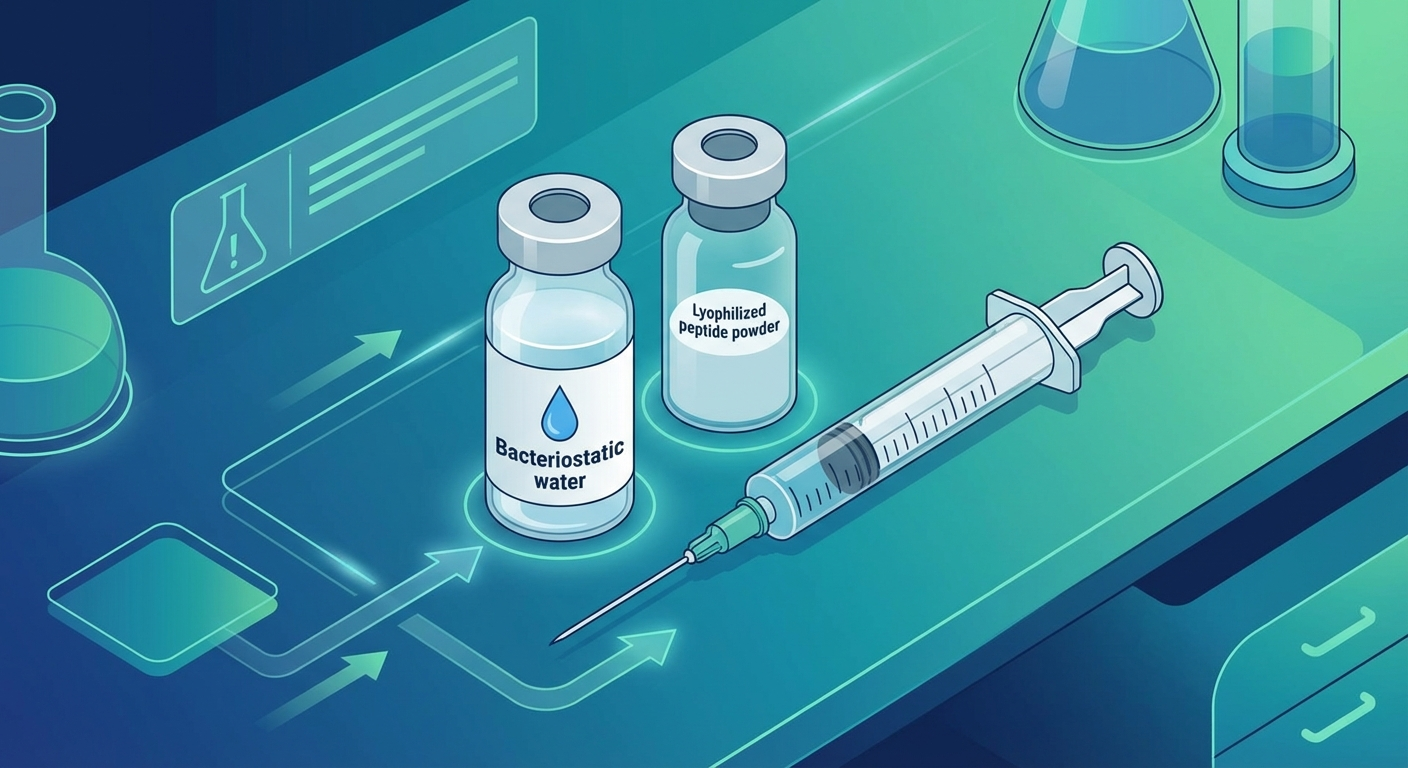
Unreconstituted (powdered) peptides should be stored in a freezer at -20C or colder, away from light and moisture. Once reconstituted with bacteriostatic water, peptides should be refrigerated at 2-8C and typically used within 30 days. Always check the specific storage guidelines for each peptide, as some are more sensitive to degradation than others.
Stay Up to Date on Peptide Research
Get our latest vendor reviews, peptide guides, and quality alerts delivered to your inbox. No spam - just useful information, typically once a week.
We respect your privacy. Unsubscribe anytime.
Useful PeptidePick Resources for PeptidePick - Your Trusted Guide to Peptide Research
Before comparing vendors or research notes, these core PeptidePick resources help keep the basics straight: