
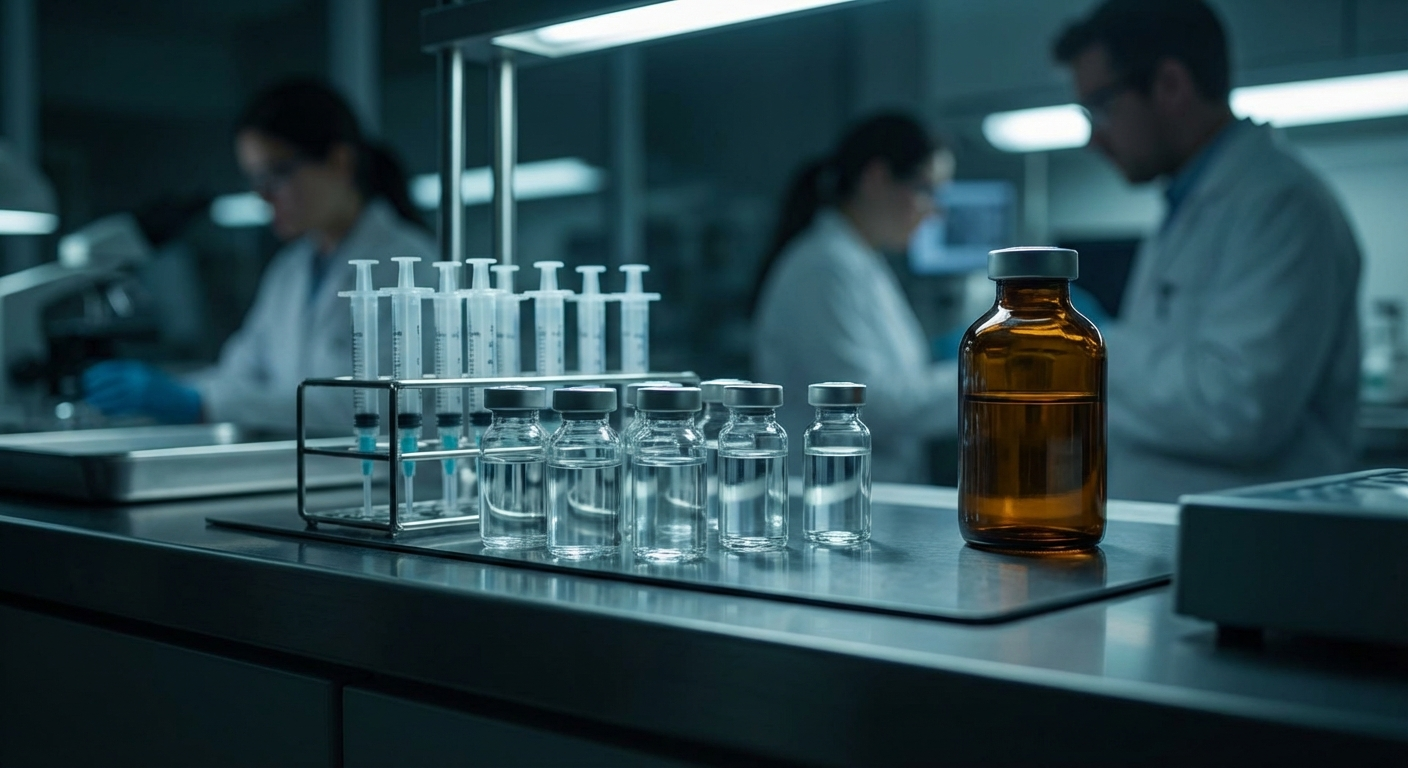
BPC-157 Dosage Guide: Research Protocols, Injection Methods, and Reconstitution
What Is BPC-157?
BPC-157 is a synthetic pentadecapeptide - a chain of 15 amino acids - derived from a protein found in human gastric juice. This BPC-157 dosage guide focuses on what published animal research actually shows about protocol variables: dose ranges, administration routes, and reconstitution. The name stands for Body Protection Compound 157. Most of the published research comes from the University of Zagreb in Croatia, where Predrag Sikiric and colleagues have studied the compound since the 1990s.
That origin matters. The Zagreb research group has produced an impressive volume of animal data, but independent replication is limited. When you read claims about BPC-157, a significant portion trace back to a single lab and a single team. That is not a reason to dismiss the research, but it is a reason to read it carefully.
Animal studies have investigated BPC-157 across a wide range of applications: gut healing, tendon repair, muscle regeneration, neurological protection, and bone healing. The compound appears to influence nitric oxide signaling pathways and angiogenesis - the formation of new blood vessels - which researchers think may explain some of its effects on tissue repair.
BPC-157 is not approved for human use anywhere in the world. The FDA has stated it presents "significant safety risks," not merely that data is insufficient. That distinction matters for anyone reading these studies in a research context.