
Peptides for Tendon Repair: BPC-157, TB-500, and Research Protocols
TL;DR
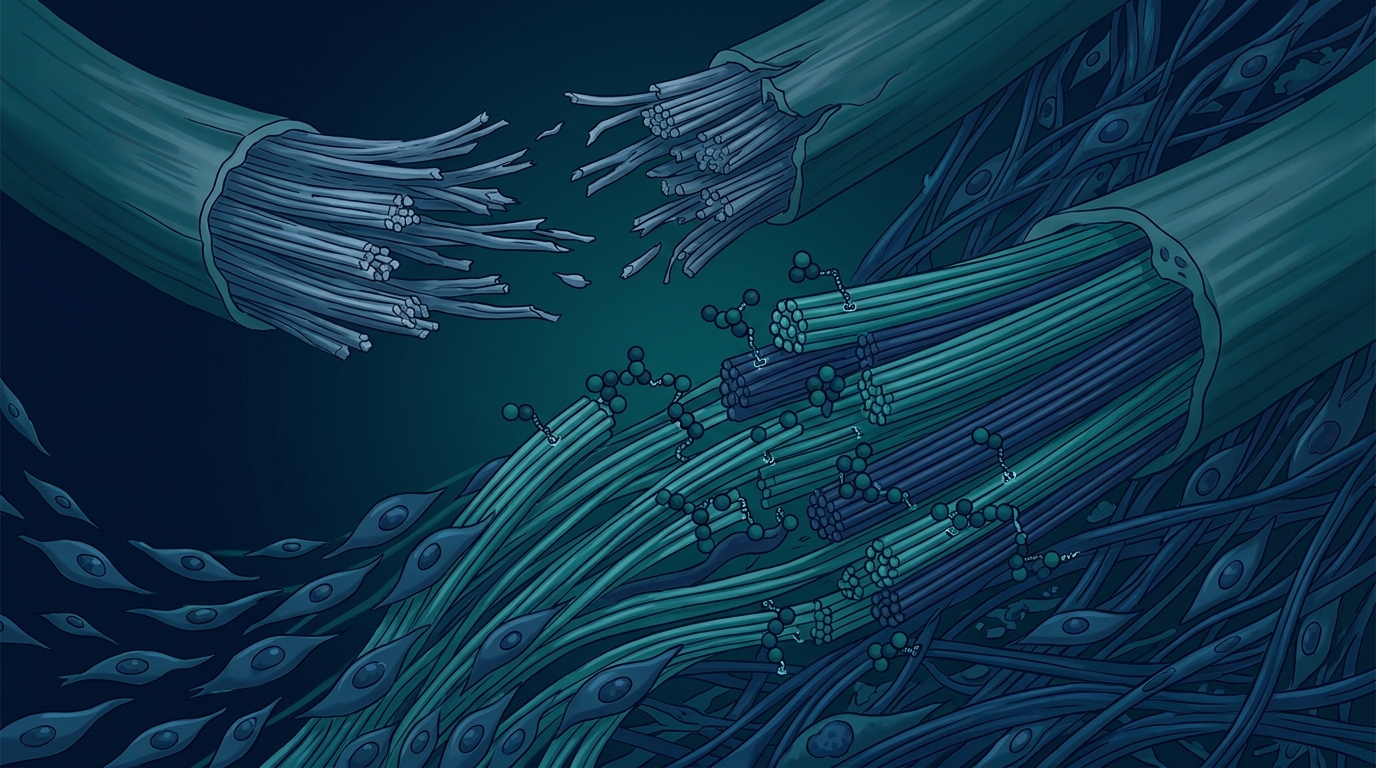
BPC-157 and TB-500 are the two most-studied peptides for tendon repair in preclinical research. BPC-157 promotes fibroblast migration and angiogenesis via the FAK-paxillin pathway. TB-500 (synthetic thymosin beta-4) regulates actin and reduces inflammation.
Most research is animal-based - no large human clinical trials exist yet. GHK-Cu plays a supporting role via collagen cross-linking. Stacking all three is common in the research community but is not clinically validated.
Research into peptides for tendon repair has grown significantly as sports medicine looks for alternatives to slow standard-of-care protocols. Tendon injuries are among the most stubborn and frustrating conditions in the field.
A torn Achilles, a frayed patellar tendon, rotator cuff damage - these injuries can sideline athletes for months and sometimes never fully resolve. Standard of care is slow: rest, physical therapy, maybe PRP injections. Results are inconsistent.
That gap is why peptide researchers have focused heavily on tendon healing. And two peptides keep appearing in the literature: BPC-157, originally isolated from human gastric juice at the University of Zagreb, and TB-500, a synthetic analog of thymosin beta-4. A third compound - GHK-Cu - rounds out many research stacks for its role in collagen remodeling.
This guide covers what the preclinical data actually shows, how these compounds differ mechanistically, and how they compare as single agents versus a combined stack. If you want a broader look at how long healing typically takes with peptides, see our guide on how long peptides take to work.
Why Tendons Are Hard to Heal
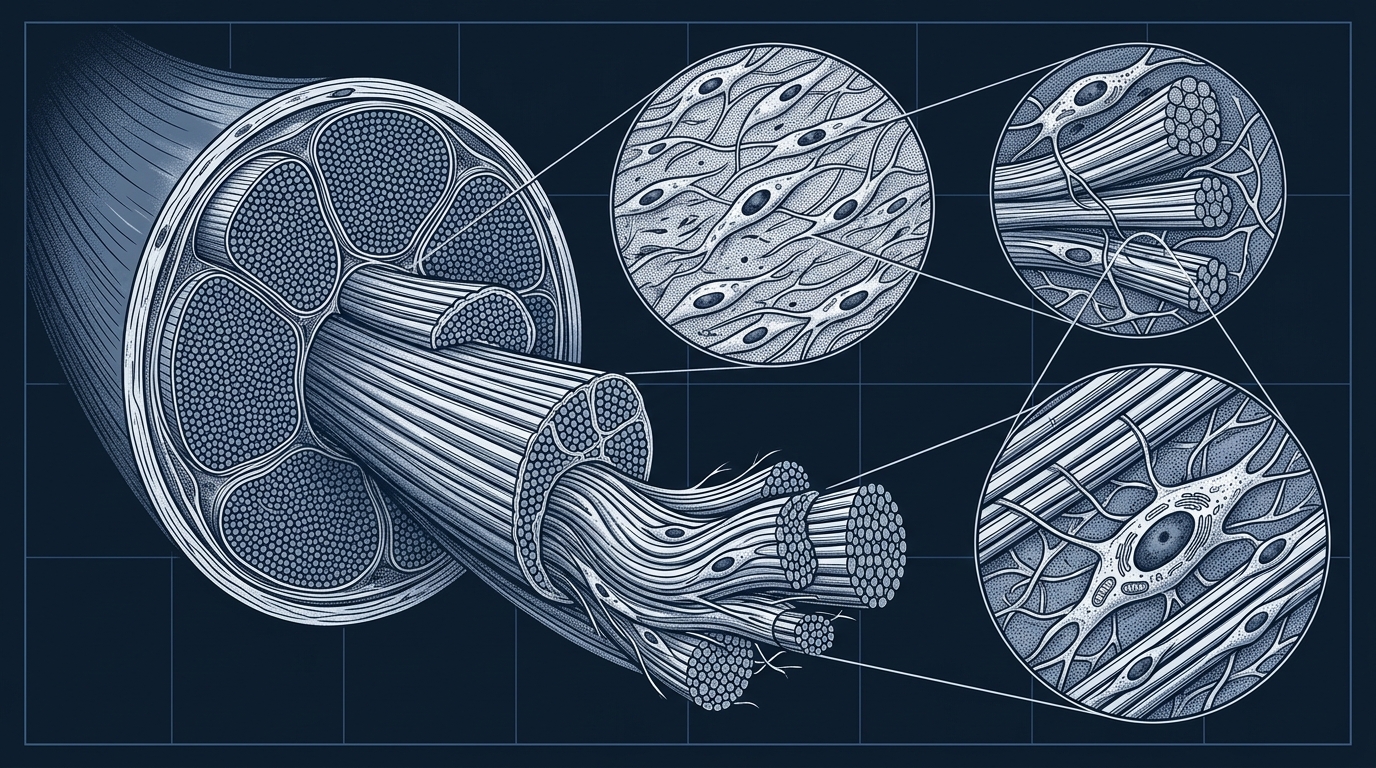
Tendons are hypovascular and hypocellular. That combination - poor blood supply, low cell density - is precisely why they heal slowly. Muscle tears can resolve in weeks. Tendon tears in the same body take months or years.
The healing process depends on three overlapping phases:
- Inflammatory phase (days 1-7): Immune cells flood the site. Inflammatory cytokines are raised. Pain is highest here.
- Proliferative phase (weeks 2-8): Fibroblasts migrate in, lay down type III collagen. This early-repair collagen is weaker and disorganized.
- Remodeling phase (months 2-18): Type III collagen is gradually replaced by type I. The tissue slowly regains tensile strength - if everything goes right.
Most interventions fail because they can't meaningfully accelerate the proliferative phase or improve the quality of collagen laid down during remodeling. That is the specific niche that researchers are exploring with BPC-157 and its analogs.
60+ Third-Party Tested Recovery Peptides
BPC-157, TB-500, and stacks like the Wolverine Blend - rigorously tested for purity
60+ third-party tested research peptides and stacks
BPC-157: The Most-Studied Peptide for Tendon Repair
BPC-157 (Body Protection Compound-157) is a 15-amino-acid peptide originally discovered in human gastric juice by researchers at the University of Zagreb. That origin matters: BPC-157 has not been synthesized by an independent pharmaceutical company and subjected to standard Phase I/II/III clinical trials. Nearly all existing research comes from Zagreb-affiliated labs, which is a caveat worth keeping in mind when interpreting the results.
That said, the mechanistic data is compelling.
How BPC-157 Affects Tendons
A 2011 study published in the Journal of Applied Physiology (Chang et al.) examined BPC-157's effect on rat tendon fibroblasts. The researchers found that BPC-157 promoted ex vivo outgrowth from tendon explants and significantly increased in vitro migration of tendon fibroblasts. The mechanism appeared to involve activation of the FAK-paxillin signaling pathway - a pathway central to cell adhesion and movement.
What makes that finding relevant: fibroblast migration is the rate-limiting step in the proliferative phase. Faster fibroblast recruitment means faster collagen deposition.
A separate line of research, published in Molecules in 2018, showed that BPC-157 dose- and time-dependently increased growth hormone receptor expression in tendon fibroblasts at both the mRNA and protein levels. When growth hormone was added to BPC-157-treated cells, cell proliferation increased further. This suggests BPC-157 may sensitize tendon tissue to anabolic signals rather than acting in isolation.
A 2019 review in Cell and Tissue Research (Gwyer et al., PMID 30915550) surveyed the available literature and concluded: "All studies investigating BPC 157 have demonstrated consistently positive and prompt healing effects for various injury types." The authors also noted that BPC-157 shows promise specifically for hypovascular, hypocellular tissues - which is exactly what tendons are.
Angiogenesis: The Hidden Mechanism
Beyond fibroblasts, BPC-157 appears to stimulate angiogenesis - the formation of new blood vessels. For tendons, this is significant. A peptide that can improve local vascularity essentially addresses the structural reason tendons heal poorly in the first place.
Studies in rat Achilles tendon transection models showed that BPC-157-treated animals developed more organized and vascularized repair tissue compared to controls. The BPC-157 group also showed higher breaking strength in the repaired tendon at comparable time points.
And a 2025 systematic review in The Orthopaedic Journal of Sports Medicine (Vasireddi et al.) examined BPC-157's applications in orthopedic and sports medicine contexts, citing the tendon outgrowth study as foundational evidence. The authors called for human trials, noting the consistent preclinical signal.
The Zagreb Caveat
It bears repeating: the BPC-157 research base is narrower than it appears. Most published studies originate from a small number of research groups, with heavy concentration in Zagreb. This doesn't invalidate the findings - the mechanistic data is internally consistent and replicated in multiple tissue models. But it does mean the compound hasn't been vetted through the standard adversarial process of independent replication at scale.
The FDA has flagged BPC-157 as presenting "significant safety risks" when used outside controlled research settings.
For full BPC-157 dosing reference, see our BPC-157 dosage guide. For broader context on the compound, the BPC-157 guide covers mechanism, history, and administration methods in more depth.
TB-500: Thymosin Beta-4 and Actin Regulation
TB-500 is a synthetic peptide derived from a 43-amino-acid region of thymosin beta-4, a naturally occurring protein found in nearly every cell in the body. Thymosin beta-4 was first identified in the thymus gland in the 1960s, but it's since been found to be widely expressed - particularly in wound healing contexts.
The key thing thymosin beta-4 does is sequester actin monomers (G-actin). This regulatory function has downstream effects on cell migration, differentiation, and - critically - the early inflammatory and proliferative phases of tissue repair.
TB-500 Mechanism in Tendon Tissue
When a tendon tears, actin dynamics at the cellular level partly determine how quickly fibroblasts can reorganize and migrate toward the injury site. Thymosin beta-4 modulates the pool of free actin available for polymerization, giving cells more flexibility to extend and migrate. In injured tissue, this translates to faster structural reorganization.
Research in cardiac tissue (the most studied context for thymosin beta-4) shows it also has anti-apoptotic effects - it prevents cell death in stressed tissue. The same mechanism is believed to operate in tendon, though direct tendon-specific human data is limited.
Animal models using thymosin beta-4 in tendon contexts have shown:
- Faster infiltration of fibroblasts into injury sites
- Reduced inflammatory cytokine levels in peritendinous tissue
- Improved organization of early collagen deposition
- Potential anti-fibrotic effects - meaning the repair tissue is more elastic and less prone to scar formation
One important distinction from BPC-157: TB-500's mechanism is less about stimulating growth hormone receptor expression and more about modulating the inflammatory-to-proliferative phase transition. The two peptides address different parts of the healing cascade, which is why they're often studied together.
Largest Selection of Delivery Forms - Injectable, Spray, and Capsule
BPC-157 and TB-500 available in multiple formulations - create a free account to access the full catalog
Create Free Limitless Account →
118+ research peptides in injectable, spray, and capsule forms - create a free account to access the full catalog
Use code PeptidePick for a discount at checkout
GHK-Cu: Collagen Synthesis and Structural Support
GHK-Cu (glycine-histidine-lysine copper) is a naturally occurring copper-binding tripeptide found in human plasma, urine, and saliva. Its plasma concentration declines with age - from around 200 ng/mL in young adults to roughly 80 ng/mL by age 60. That age-related decline correlates with slower wound healing and tissue regeneration in older populations.
For tendons, GHK-Cu's most relevant actions are:
- Collagen synthesis stimulation: GHK-Cu upregulates genes involved in collagen production and promotes formation of type I collagen - the strong, organized form needed for functional tendon repair.
- Matrix metalloproteinase (MMP) regulation: GHK-Cu modulates MMPs, enzymes that break down old extracellular matrix. Proper MMP regulation is essential for replacing the weak type III collagen of early repair with durable type I collagen during remodeling.
- Anti-inflammatory signaling: GHK-Cu suppresses pro-inflammatory cytokines including TNF-alpha, IL-6, and IL-8. This can help moderate the inflammatory phase so it doesn't extend and cause further tissue damage.
GHK-Cu is not a primary healing driver in the way BPC-157 or TB-500 are. Think of it as the remodeling agent - most valuable in the later phases when the goal shifts from "get cells into the injury" to "organize the repair tissue into something strong and durable."
In skin research, GHK-Cu has shown consistent collagen-stimulating effects. Tendon-specific studies are more limited, but the underlying biology - collagen remodeling via MMP regulation - is tissue-agnostic. For more on GHK-Cu's broader effects, see the GHK-Cu before and after research roundup.
BPC-157 vs TB-500: Which One for Tendons?
| Factor | BPC-157 | TB-500 |
|---|---|---|
| Primary mechanism | FAK-paxillin, GH receptor upregulation, angiogenesis | Actin regulation, anti-apoptotic, anti-inflammatory |
| Research base | Extensive (mostly Zagreb lab) | Moderate (broader group of labs) |
| Best phase | Proliferative (weeks 2-8) | Inflammatory-to-proliferative transition |
| Tendon-specific studies | Multiple Achilles, rotator cuff models | Limited direct tendon studies; cardiac/wound base |
| Half-life | Short (hours); daily dosing common in research | Longer; less frequent dosing studied |
| Human trials | None for tendon-specific applications | Phase II cardiac trial (completed); no tendon trials |
The answer to "which one" depends partly on injury phase. BPC-157 has stronger direct tendon evidence and appears most active during the proliferative window. TB-500 may have an edge in the early inflammatory phase and in injuries with significant systemic tissue involvement.
For a deeper look at how these two compare across all injury types, see our dedicated BPC-157 vs TB-500 comparison.
Stacking Protocols in Research
The combination of BPC-157 and TB-500 has become known in research circles as the "Wolverine Stack" - named for its theoretical ability to accelerate repair. The stack is based on mechanistic complementarity: BPC-157 handles fibroblast recruitment and angiogenesis, while TB-500 addresses actin dynamics and inflammation modulation.
There is no published clinical study specifically examining the BPC-157 + TB-500 combination in tendon tissue. The rationale is extrapolated from the individual compound data and the logic that non-overlapping mechanisms should be additive. That's a reasonable scientific hypothesis - but it's still a hypothesis.
GHK-Cu is sometimes added as a third component for its collagen remodeling effects, creating a layered approach covering inflammation, proliferation, and remodeling. For more on this stack architecture, see the Wolverine Stack guide.
A critical note: stacking means higher complexity, more variables, and greater uncertainty around interactions. Researchers working with these compounds independently note that single-agent baselines are important before adding additional peptides.
Research Dosing Parameters for Tendon Repair Peptides
All dosing below is derived strictly from preclinical animal studies. These are not human dosing recommendations.
BPC-157 Parameters from Animal Studies
- Dose range used in rat models: 10 mcg/kg to 10 mg/kg bodyweight, with most positive outcomes clustered in the 1-10 mcg/kg range
- Administration routes studied: Intraperitoneal injection (most studies), subcutaneous injection, oral gavage, intragastric administration
- Duration: Most studies run 7-14 days of treatment, with outcome measurements at 2-4 weeks post-injury
- Frequency: Once daily in the majority of studies
Thymosin Beta-4 Parameters from Research
- Dose range in cardiac studies (Phase II): 150 mg to 1,260 mg total dose
- Animal models: Highly variable dosing; wound models typically used 50-100 mcg/kg
- Frequency: Less frequent than BPC-157; some protocols used bi-weekly or weekly administration
Before using any research peptide, reconstitution is a required step. Use our free peptide reconstitution calculator to work out correct mixing ratios, and review how to reconstitute peptides for the full protocol.
Healing Timeline: What Studies Show
One of the most consistent findings in BPC-157 tendon research is the acceleration of the early healing timeline. In rat Achilles transection models, BPC-157-treated animals typically showed significant improvements in tendon organization and breaking strength by day 7-14 compared to untreated controls.
But "improvement" is relative. Animal models suggest BPC-157 can compress the early proliferative phase, potentially by days to weeks rather than months. The remodeling phase - which is where functional strength is recovered - takes longer by nature and isn't dramatically accelerated in any published protocol.
So: if an untreated Achilles rupture takes 6-9 months to regain near-normal function, animal models suggest peptide intervention might compress the early phases, but the full remodeling arc is still months. This aligns with the general biology of tendons and should temper expectations significantly.
For context on how healing timelines vary across injury types and compounds, see the full guide on how long peptides take to work.
Where to Source These Peptides
If you're sourcing research peptides, purity documentation matters more than price. For tendon-focused protocols, vendors stocking BPC-157, TB-500, and GHK-Cu - ideally with third-party CoA - are the priority. See our comparison of best peptide companies for a full breakdown.
99% Pure BPC-157, TB-500, and GHK-Cu - Plus Recovery Stacks
Pre-made stacks like the Recovery Stack and Wolverine Blend - use code Peptidepick15 for 15% off
99% pure research peptides - use code Peptidepick15 for 15% off
Use code Peptidepick15 for 15% off your order
For recovery articles in PeptidePick's coverage area, we also cover the broader coverage in best peptides for muscle recovery. Tendon repair shares significant mechanistic overlap with muscle recovery, though tendons require specialized compounds given their avascular nature.
For shoulder-specific tendon injuries, the rotator cuff application is detailed in BPC-157 for shoulder injury.
Frequently Asked Questions
Is BPC-157 proven to heal tendons in humans?
No. All direct tendon-healing evidence for BPC-157 comes from animal models - primarily rat studies. No large-scale human clinical trials for tendon repair exist as of 2026.
The mechanistic data is promising and internally consistent, but human efficacy and safety have not been confirmed. The majority of BPC-157 research originates from labs affiliated with the University of Zagreb - a meaningful limitation on the evidence base.
What is TB-500 and how does it differ from BPC-157?
TB-500 is a synthetic peptide fragment of thymosin beta-4, a naturally occurring protein involved in actin regulation. Unlike BPC-157, which promotes fibroblast migration via FAK-paxillin signaling, TB-500 works primarily by modulating actin dynamics and reducing inflammation. TB-500 has been through Phase II cardiac trials (unlike BPC-157), but has limited direct tendon research. The two compounds address different phases of the healing cascade, which is why they're often combined in research protocols.
Can BPC-157 and TB-500 be used together?
In research circles, the BPC-157 and TB-500 combination is commonly studied due to their mechanistic complementarity. BPC-157 handles the proliferative phase (fibroblast recruitment, angiogenesis) while TB-500 addresses the inflammatory-to-proliferative transition. However, there is no published clinical study examining this combination directly in tendon tissue. The stack rationale is sound mechanistically but remains unvalidated in humans.
What role does GHK-Cu play in tendon repair?
GHK-Cu (glycine-histidine-lysine copper) supports the remodeling phase of tendon repair by stimulating type I collagen synthesis and regulating matrix metalloproteinases (MMPs). MMPs control the breakdown of weak early-repair collagen, allowing higher-quality type I collagen to replace it. GHK-Cu also has anti-inflammatory properties that may moderate the initial inflammatory response. It is typically considered a supporting compound rather than a primary healing driver.
How long does tendon repair take with peptides in research models?
In rat Achilles transection models, BPC-157-treated animals showed measurable improvements in tendon organization and breaking strength within 7-14 days compared to untreated controls. This suggests compression of the early proliferative phase. However, the full remodeling process - which determines final functional strength - is not dramatically shortened. Realistically, even with favorable peptide protocols, full tendon remodeling takes months.
Are peptides for tendon repair legal to buy?
BPC-157, TB-500, and GHK-Cu are sold legally as research chemicals in the United States. They are not FDA-approved drugs and cannot be legally sold for human consumption. The FDA has specifically flagged BPC-157 as presenting "significant safety risks" when used outside controlled research settings. Legality varies by country - always verify local regulations before purchasing.
Which vendor has the best selection of tendon repair peptides?
For BPC-157 and TB-500 individually, Ascension Peptides and Pinnacle Peptide Labs both carry third-party tested versions. Pinnacle also stocks pre-made stacks including the Recovery Stack and Wolverine Blend. Limitless Life Nootropics offers the broadest range of delivery forms - injectable, nasal spray, and capsule - for many compounds including BPC-157. For a full comparison, see our best peptide companies page.
Related Articles
- BPC-157 Guide: Benefits, Dosage and Research
- BPC-157 vs TB-500: Key Differences, Benefits, and Which to Choose
- The Wolverine Stack: BPC-157 + TB-500 Protocol Guide
- Best Peptides for Muscle Recovery: What the Research Shows
- BPC-157 for Shoulder Injury: What the Rotator Cuff Research Shows
- How Long Do Peptides Take to Work? Realistic Timelines