
PeptidePick preferred picks
Use the highest-value vendor routes first.
Pinnacle is first for the 15% discount code. Ascension is the broad-catalog default when you want the cleaner research-only route.
Research-only affiliate links. Verify COAs, labels, and shipping terms before checkout.
Orforglipron side effects: oral GLP-1 safety and research notes
Orforglipron side effects look familiar if you already track GLP-1 safety: nausea, constipation, diarrhea, vomiting, indigestion, abdominal pain, headache, bloating, fatigue, belching, heartburn, gas, and hair loss are listed in current Foundayo safety materials. The twist is delivery. Orforglipron is a once-daily oral small-molecule GLP-1 receptor agonist, not an injectable peptide and not oral semaglutide.
TLDR: what matters most
Most orforglipron side effects are gastrointestinal and tend to appear during dose escalation. Trial and label materials point to the same pattern: nausea, constipation, diarrhea, vomiting, dyspepsia, abdominal pain, and appetite changes are the common watch items.
The serious risks are less common but matter more: thyroid C-cell tumor warning, pancreatitis, severe stomach problems, dehydration-related kidney injury, hypoglycemia when combined with insulin or sulfonylureas, hypersensitivity, gallbladder disease, heart rate increase, and pulmonary aspiration risk around anesthesia.
For researchers comparing GLP-1 options, the practical question is not whether orforglipron is side-effect free. It is whether an oral GLP-1 with no food or water timing restrictions changes adherence enough to offset the same class-related tolerability issues.
What is orforglipron?
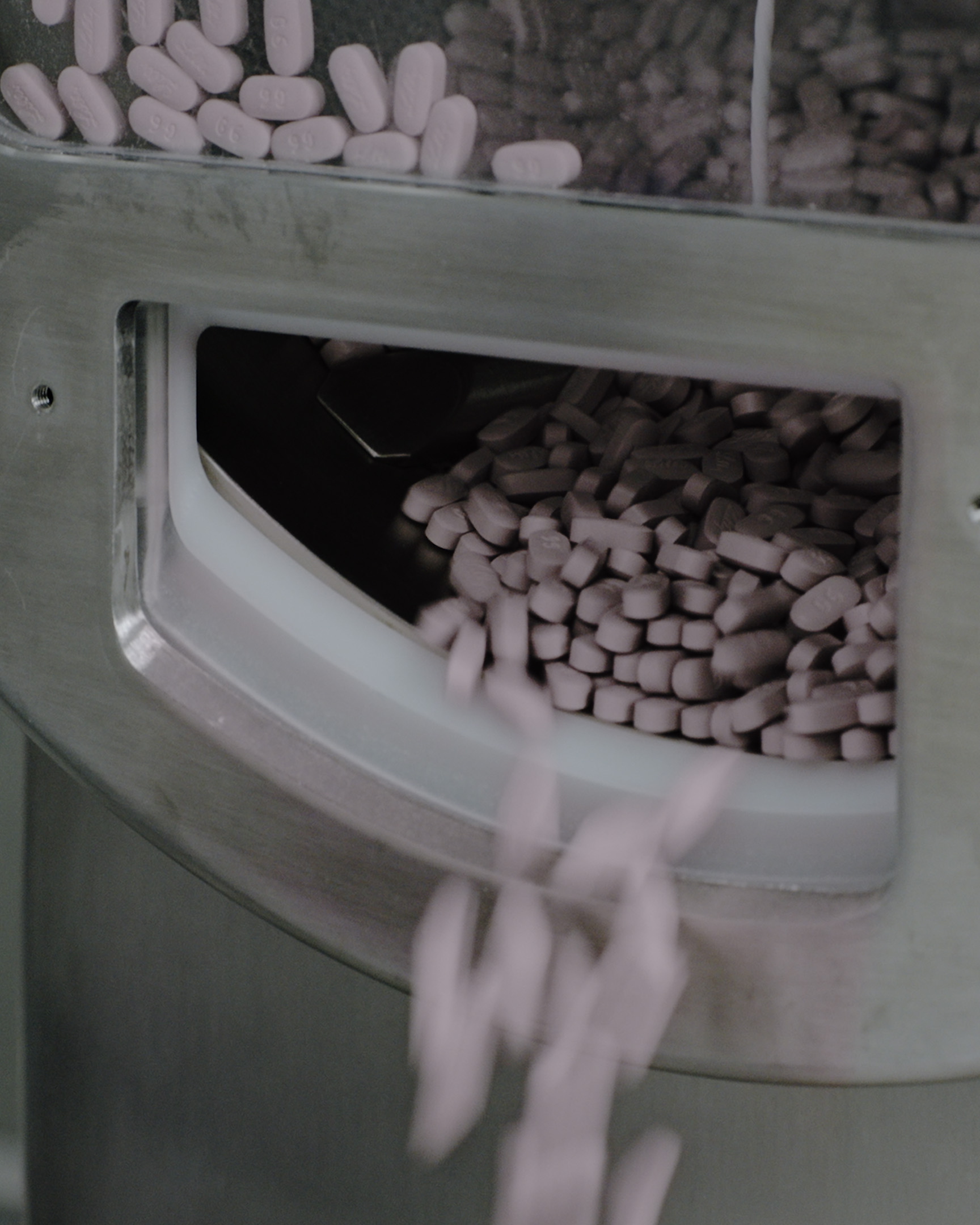
Orforglipron is a small-molecule GLP-1 receptor agonist taken by mouth once daily. It is not a peptide in the strict chemistry sense, even though people often group it with GLP-1 peptide drugs in search behavior. That distinction matters for sourcing, storage, and expectations.
The FDA approved Foundayo (orforglipron) on April 1, 2026 for adults with obesity, or adults with overweight and at least one weight-related condition. FDA materials list step-ups from 0.8 mg to 17.2 mg based on response and tolerability.
That does not make it a casual wellness pill. Foundayo carries the same kind of safety framing seen across the GLP-1 class, including a boxed thyroid tumor warning and specific instructions around missed doses, overdose, surgery, and interacting drugs.
If you are comparing GLP-1 research categories, PeptidePick already has deeper guides on orforglipron vs tirzepatide, retatrutide vs tirzepatide, and peptides for weight loss. This guide stays focused on side effects and safety notes.
Orforglipron side effects: common reactions
The common side effects cluster around the gut. Lilly's Foundayo safety summary lists nausea, constipation, diarrhea, vomiting, indigestion, stomach pain, headache, swollen belly, fatigue, belching, heartburn, gas, and hair loss. That list is longer than most search snippets show, so it is worth reading slowly.
Some effects are direct GLP-1 class effects. Slower gastric emptying can make people feel full earlier, but the same mechanism can also bring nausea, reflux, bloating, and constipation. Appetite reduction can help weight loss, but it can also reduce fluid and protein intake if the user is not careful.
There is a little uncertainty here. The label cannot tell you which specific patient will tolerate a dose step cleanly. That is why escalation and hydration matter.
| Side effect group | What to watch | Why it matters |
|---|---|---|
| Upper GI | Nausea, indigestion, belching, heartburn | Often appears during dose escalation and can affect adherence. |
| Lower GI | Constipation, diarrhea, gas, bloating | Fluid intake, fiber tolerance, and medication timing can change symptom burden. |
| Systemic | Headache, fatigue, appetite change | May reflect the drug, lower intake, dehydration, or another condition. |
| Appearance-related | Hair loss | Rapid weight loss itself can trigger shedding, so causality is not always simple. |
★★★★★ PeptidePick GLP-1 research catalog pick
Start GLP-1 comparison work with Apollo's focused research catalog
Orforglipron is a prescription medicine, not a research vial. For adjacent GLP-1 research comparisons, Apollo is the tightest fit because its catalog centers on GLP-1 and growth-factor research compounds.
- Useful for comparing semaglutide, tirzepatide, retatrutide, and related GLP-1 research categories.
- Best fit when the reader is studying GLP-1 mechanisms rather than broad peptide stacks.
Shop Apollo GLP-1 Research Catalog →
Specializing in GLP-1 research peptides and growth factors. Do not use research products as prescription Foundayo substitutes.
Serious risks and warnings
The serious orforglipron risks are less common than nausea or constipation, but they are the reason this drug belongs under medical supervision. FDA and Lilly safety materials name thyroid C-cell tumor risk, pancreatitis, severe gastrointestinal reactions, dehydration leading to kidney problems, hypoglycemia with insulin or sulfonylureas, hypersensitivity, gallbladder problems, increased heart rate, and pulmonary aspiration risk during anesthesia or deep sedation.
The thyroid warning is specific. Foundayo should not be used by people with a personal or family history of medullary thyroid carcinoma or by people with Multiple Endocrine Neoplasia syndrome type 2. Patients are told to watch for a lump or swelling in the neck, hoarseness, trouble swallowing, or shortness of breath.
Pancreatitis is another stop-and-call-now category. Severe abdominal pain that does not go away, with or without vomiting, needs urgent clinical review. That pain can radiate to the back. This is not a symptom to manage with internet advice.
Kidney risk is usually tied to fluid loss. Diarrhea, nausea, and vomiting can cause dehydration, and dehydration can stress the kidneys. That pattern is common enough across GLP-1 drugs that it deserves a boring but practical rule: persistent GI symptoms are a safety signal, not just a comfort issue.
For readers building a broader safety framework, compare this with the site guides on GLP-1 peptide side effects, retatrutide side effects, and tirzepatide injection-site reactions. Hair shedding is especially easy to over-assign to the drug when rapid weight loss can be the trigger.
What clinical trial data says about orforglipron side effects
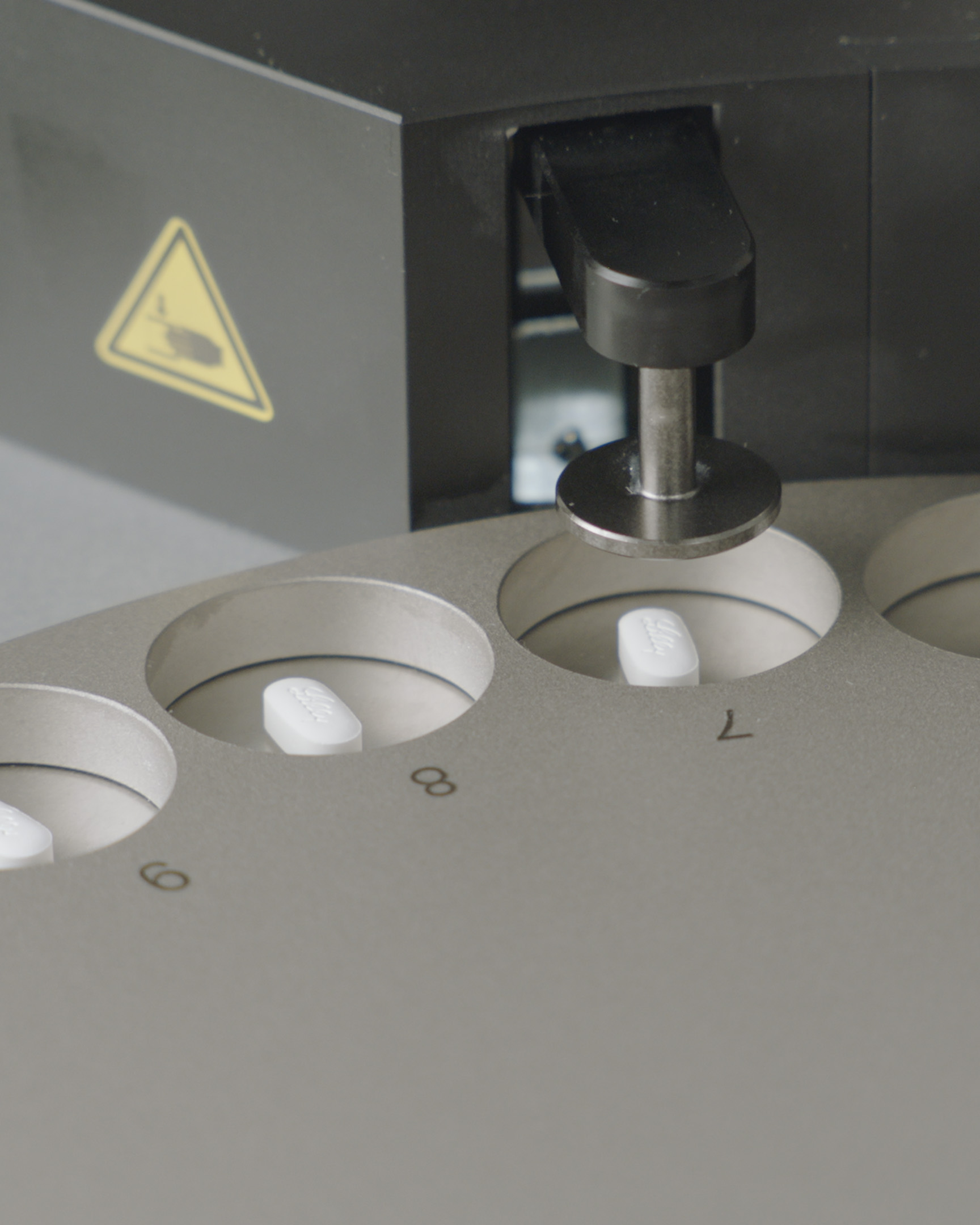
The 2023 New England Journal of Medicine phase 2 obesity trial reported clinically meaningful weight reduction at 36 weeks, with gastrointestinal events as the most common adverse events. The study described most events as mild to moderate and concentrated during dose escalation.
Phase 3 data added more context. In ATTAIN-1, a 72-week obesity trial, Lilly reported that the 36 mg dose reduced body weight by an average of 12.4% using the efficacy estimand, versus 0.9% with placebo. Common adverse events were gastrointestinal, and discontinuations due to adverse events ranged from 5.1% to 10.3% across orforglipron doses versus 2.6% for placebo in company-reported topline data.
ACHIEVE-3 compared orforglipron with oral semaglutide in adults with type 2 diabetes on metformin. Lilly reported that orforglipron 36 mg reduced A1C by 2.2% versus 1.4% with oral semaglutide 14 mg at week 52. The same release reported discontinuation due to adverse events of 8.7% for orforglipron 12 mg and 9.7% for orforglipron 36 mg, compared with 4.5% and 4.9% for the two oral semaglutide arms.
Source points used in this guide
- FDA press announcement, April 1, 2026: Foundayo approval, indication, and dose escalation schedule.
- FDA prescribing information for Foundayo, 2026: boxed warning, contraindications, warnings, and common adverse reactions.
- Lilly Foundayo safety summary, 2026: common side effects and patient-facing warnings.
- NEJM phase 2 obesity trial, 2023: 36-week weight-loss and adverse-event pattern.
- ACHIEVE-3 Lilly/Lancet summary, 2026: head-to-head oral semaglutide comparison and adverse-event discontinuation rates.
★★★★★ PeptidePick preferred discount pick
Use Pinnacle when you want broad peptide research coverage plus a real discount
Pinnacle is the better second stop for researchers comparing GLP-1 categories against recovery, longevity, and broad peptide catalog options. It is not a prescription Foundayo source.
- Broad catalog for semaglutide-style, tirzepatide-style, and retatrutide-style research categories.
- Strong fit for readers who want one vendor path beyond a single GLP-1 topic.
Use code Peptidepick15 for 15% off your order
99% pure research peptides - use code Peptidepick15 for 15% off.
Oral GLP-1 vs injectable tolerability
The oral format solves one problem and leaves others intact. Orforglipron avoids injections and, unlike oral semaglutide, current materials say it can be taken without food or water timing restrictions. That is a major adherence advantage for some patients.
But tolerability still runs through GLP-1 biology. If a drug slows gastric emptying and reduces appetite, the digestive system will often be where the tradeoff shows up first. The needle is not the main reason nausea happens.
Injectable comparisons can also mislead if the only metric is weight loss. Tirzepatide and retatrutide research often shows greater weight-loss potential, while oral orforglipron may win on manufacturing scale, access, or patient preference. The right comparison depends on the question.
For mixing and lab handling questions around research peptides, use the free peptide reconstitution calculator and the guide on how to reconstitute peptides. Those pages do not apply to prescription Foundayo tablets, but they help keep peptide research workflows separate from oral prescription GLP-1 use.
How clinicians usually think about side-effect management
Most GLP-1 side-effect management starts before the symptom becomes severe. Dose escalation is deliberately slow because the gut needs time to adapt. FDA dosing language for Foundayo steps upward after at least 30 days at each level, based on response and tolerability.
That is why skipping ahead is a bad idea. More drug does not automatically mean better results if the patient cannot keep food or fluids down. The same logic applies after missed doses. Lilly materials say patients who miss Foundayo for 7 or more days should call their healthcare provider to discuss restarting.
Practical watch points include:
- Persistent vomiting, severe abdominal pain, or signs of dehydration.
- New neck swelling, hoarseness, trouble swallowing, or shortness of breath.
- Low blood sugar symptoms if insulin or sulfonylureas are in the picture.
- Worsening reflux, constipation, or abdominal pain after a dose increase.
- Surgery or procedures that require anesthesia, because delayed stomach emptying can matter.
Buying and research context
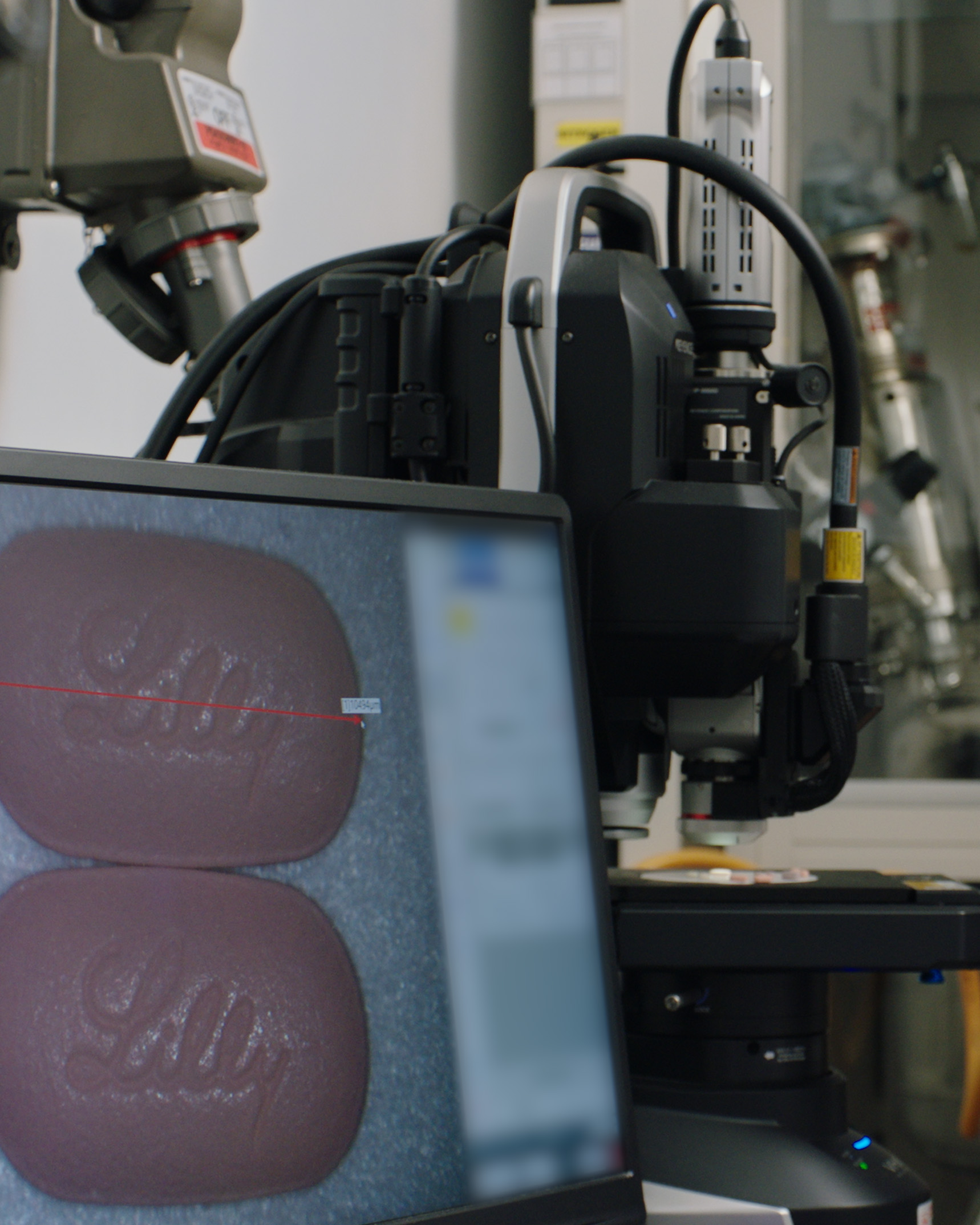
Foundayo is a prescription drug. That means the safe path is clinician-supervised access through lawful pharmacy channels, not gray-market powder, not random tablets, and not a peptide vendor claiming to sell orforglipron without medical oversight.
For research shoppers comparing adjacent GLP-1 categories, use PeptidePick's best peptide companies guide as the vendor-quality hub. The right research vendor should make testing, catalog scope, and compound identity easier to verify. It should not blur the line between prescription medication and research materials.
★★★★★ PeptidePick catalog breadth pick
Access Limitless if delivery-form variety matters to your research
Limitless is strongest when the research question involves catalog breadth and different delivery formats. The free VIP account opens the catalog, and the VIP signup link protects the 180-day tracking cookie before checkout.
- 118+ research products across injectable, spray, capsule, and blend formats.
- Use code PeptidePick as a secondary checkout incentive after creating the VIP account.
Access Limitless VIP Catalog →
118+ research peptides in injectable, spray, and capsule forms - create a free account to open the full catalog. Use code PeptidePick at checkout as a secondary discount incentive.
FAQ
What are the most common orforglipron side effects?
The most common listed side effects include nausea, constipation, diarrhea, vomiting, indigestion, abdominal pain, headache, bloating, fatigue, belching, heartburn, gas, and hair loss. The gastrointestinal effects are the ones most often discussed in trials and safety summaries.
Is orforglipron safer because it is oral?
Oral dosing avoids injection-site issues, but it does not remove GLP-1 class risks. Nausea, constipation, diarrhea, vomiting, pancreatitis warnings, kidney risk from dehydration, and thyroid tumor warnings still matter.
Can orforglipron cause hair loss?
Hair loss appears in Foundayo common side-effect materials. Rapid weight loss can also trigger temporary shedding, so the cause is not always the tablet itself. A clinician can check nutrition, thyroid status, iron status, dose timing, and the pace of weight change.
Does orforglipron have food restrictions?
Current Lilly materials say Foundayo is taken once daily by mouth with or without food. That differs from oral semaglutide, which has strict administration timing. Patients should still follow the prescribing instructions that come with their medication.
What symptoms need urgent medical attention?
Severe abdominal pain that does not go away, persistent vomiting or diarrhea, signs of dehydration, symptoms of allergic reaction, low blood sugar symptoms with diabetes medicines, and thyroid warning signs such as neck swelling or trouble swallowing need prompt medical review.
Is orforglipron a peptide?
No. Orforglipron is a small-molecule GLP-1 receptor agonist. People often compare it with peptide GLP-1 drugs because the target is similar, but the molecule and dosage form are different.