
Tirzepatide Injection Site Reaction: What Research Users Report
Tirzepatide injection site reaction usually means localized redness, itching, swelling, warmth, bruising, a small lump, or soreness near the subcutaneous injection area. In FDA labeling for Mounjaro, injection site reactions were reported in 3.2% of tirzepatide-treated adults versus 0.4% with placebo.
That number is useful, but it does not tell the whole story. Some people report a tiny itchy welt that fades. Others see a larger red patch that shows up a day later and makes the next dose feel more stressful than the medication itself.
TLDR: Tirzepatide Injection Site Reaction
- Most local reactions are mild and stay near the injection site.
- FDA labeling lists injection site reactions at 3.2% for Mounjaro-treated adults versus 0.4% with placebo.
- Zepbound labeling says reactions were more common in patients with anti-tirzepatide antibodies, 11.3% versus 1% without antibodies.
- Red flags include facial swelling, throat tightness, trouble breathing, widespread hives, fever, pus, severe pain, or a rapidly spreading rash.
- Technique matters: clean skin, dry alcohol, room-temperature pen timing, steady injection pressure, and site rotation can reduce avoidable irritation.
What a Tirzepatide Injection Site Reaction Looks Like
A typical tirzepatide injection site reaction is local. It appears around the abdomen, thigh, or upper arm injection area and may feel itchy, tender, firm, warm, or slightly raised.
The most common descriptions are plain: a red circle, a small knot, a bruise, a stinging feeling, or an itchy patch. The irritation may appear right away, several hours later, or the next day.
Based on broader injectable medication literature, local reactions often fall into a few buckets: erythema, pain, swelling, itching, bruising, and induration. A systematic review of injection site reactions across biologic injections found erythema was the most common listed reaction type, followed by less specific local reactions, pain, and pruritus.
The hard part is separating an annoying local reaction from a signal that needs medical help. A coin-sized itchy welt is different from full-body hives. A bruise from nicking a small blood vessel is different from a hot, expanding, painful area with fever.
Researching GLP-1 Peptides Like Tirzepatide?
Apollo Peptide Sciences carries GLP-1 research peptides, growth factors, and bacteriostatic water for lab-use workflows.
Shop Apollo Peptide Sciences →
Specializing in GLP-1 research peptides and growth factors
Why Tirzepatide Injection Site Reaction Happens
There is no single cause. A reaction can come from the needle puncture, the injected liquid, local immune signaling, skin sensitivity, alcohol that did not dry, repeated injections in the same area, or a true allergy.
The antibody detail matters. Current Zepbound labeling says injection site reactions were more frequent in patients with anti-tirzepatide antibodies, 11.3% compared with 1% in patients without those antibodies. Mounjaro labeling reports a similar pattern in the adult trial pool: 4.6% with anti-tirzepatide antibodies versus 0.7% without them.
That does not mean every itchy spot is dangerous. It means the immune system may be part of the story for some people. The nuance is uncomfortable but important: a local reaction can be both common enough to plan for and uncommon enough that it should not be ignored when it changes character.
A 2023 case report in Cureus described a patient who tolerated other GLP-1 receptor agonists but developed an injection site rash after tirzepatide. A case report cannot estimate risk, but it does show that tirzepatide-specific local skin reactions can happen even when another GLP-1 medication was tolerated.
Possible contributors
- Mechanical irritation: needle puncture, pressure, or movement during injection.
- Local immune response: redness, itching, or swelling near the injected area.
- Antibody association: higher reaction rates in antibody-positive trial participants.
- Technique variables: cold medication, wet alcohol, shallow angle, or repeated sites.
- Skin conditions: eczema, contact dermatitis, adhesive sensitivity, or recent irritation.
How Common Tirzepatide Injection Site Reactions Are
The cleanest numbers come from prescribing information because the trial definitions are standardized. For Mounjaro, pooled placebo-controlled adult trials reported injection site reactions in 3.2% of treated patients versus 0.4% of placebo patients.
For Zepbound, current labeling emphasizes the antibody split: 11.3% in anti-tirzepatide antibody-positive patients versus 1% in antibody-negative patients. The same label also notes hypersensitivity reactions, mostly skin reactions such as rash and itching, were more frequent in antibody-positive patients.
| Evidence source | Finding | Why it matters |
|---|---|---|
| Mounjaro prescribing information | 3.2% with tirzepatide vs 0.4% with placebo | Gives a baseline adult trial rate for local reactions. |
| Zepbound prescribing information | 11.3% with anti-tirzepatide antibodies vs 1% without | Shows an immune association in trial data. |
| 2023 tirzepatide case report | Injection site rash after tirzepatide despite prior GLP-1 tolerance | Supports the idea that reactions can be drug-specific. |
| Injection site reaction meta-analysis | Erythema, pain, and itching are common local reaction types | Helps classify symptoms without overstating diagnosis. |
Competitor pages tend to focus on quick relief tips. That is useful, but it can make the issue sound simpler than it is. A better research-based answer separates local irritation, immune-mediated rash, infection concern, and urgent allergy symptoms.
Technique Checklist for Fewer Reactions
Technique will not prevent every tirzepatide injection site reaction. It can reduce avoidable irritation, especially when the problem is repeated trauma or sloppy timing.
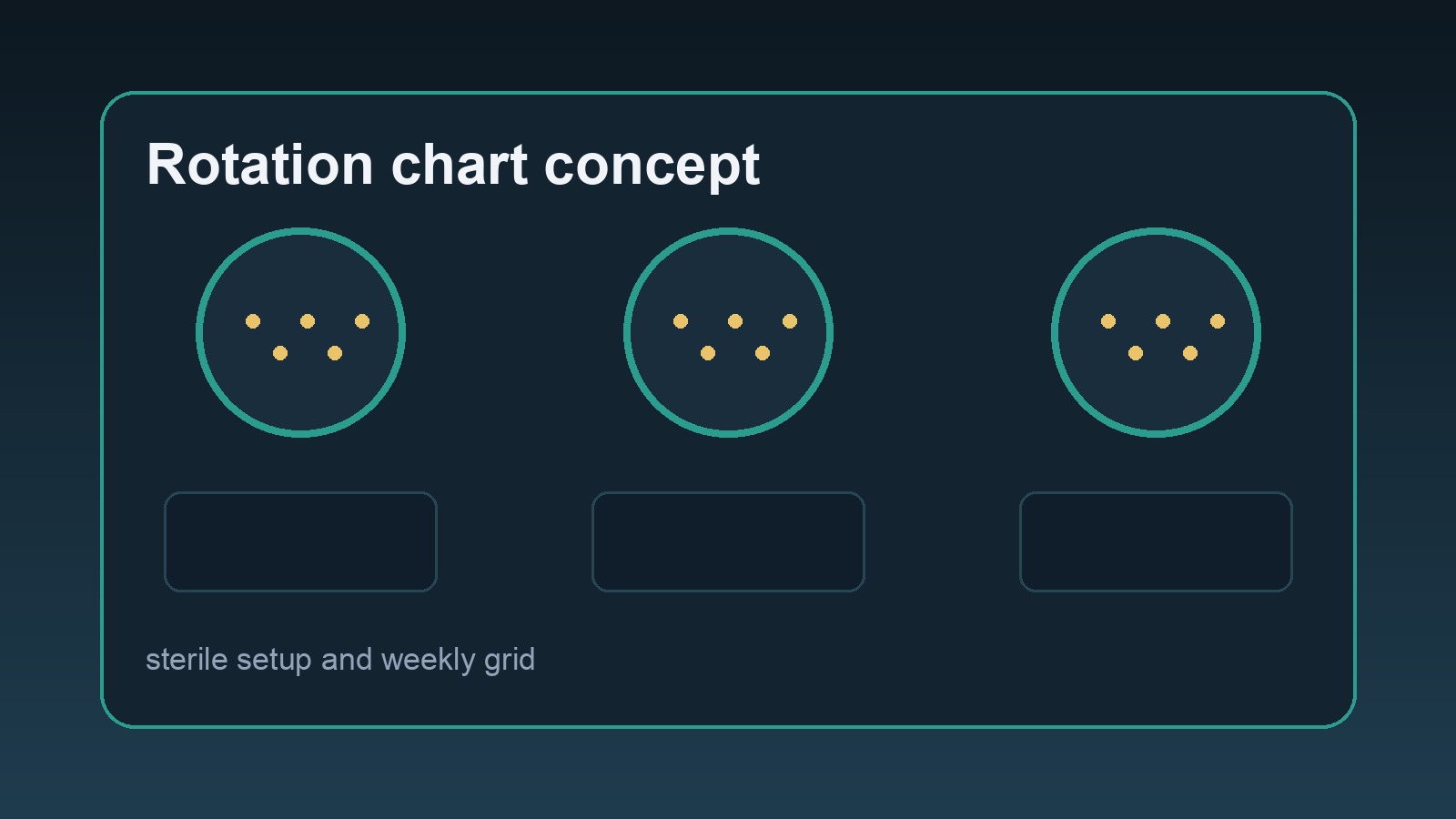
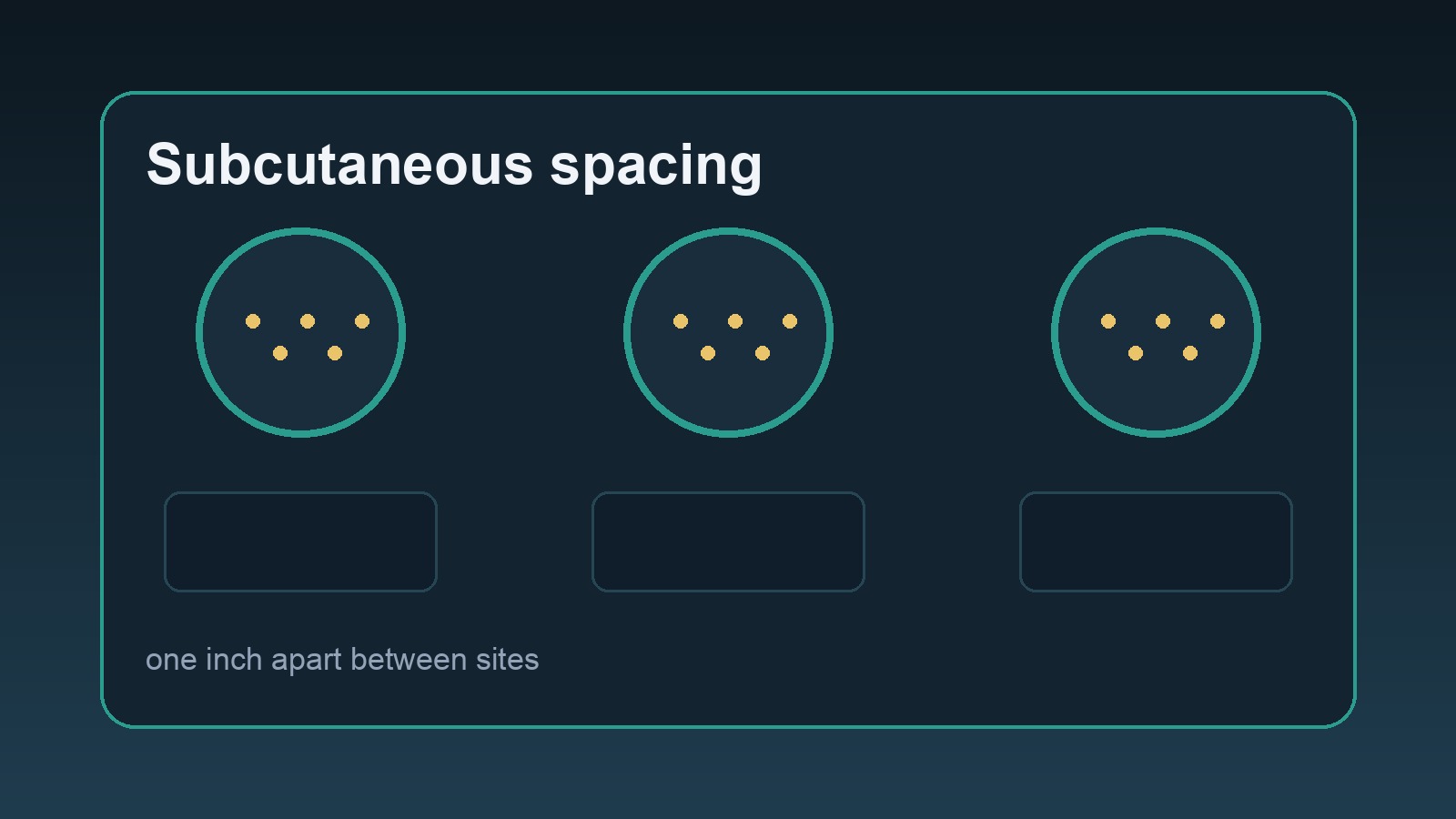
Start with the basics from injection education: use the abdomen, thigh, or upper arm areas as directed by the medication guide; rotate sites; avoid injecting into bruised, hard, scarred, or irritated skin; clean the area; and let alcohol dry before injection.
Cold liquid can sting more for some people. Many official medication instructions allow the pen to sit at room temperature for a limited period before use, but storage rules vary by product. Follow the specific package insert and pharmacy instructions for the actual medication in hand.
Practical checklist
- Wash hands before handling injection supplies.
- Inspect the solution and device before use.
- Let alcohol dry fully before injecting.
- Rotate abdomen, thigh, or upper arm sites as directed.
- Avoid areas that are already red, tender, bruised, or firm.
- Do not rub the site aggressively afterward.
- Record the site and reaction pattern after each dose.
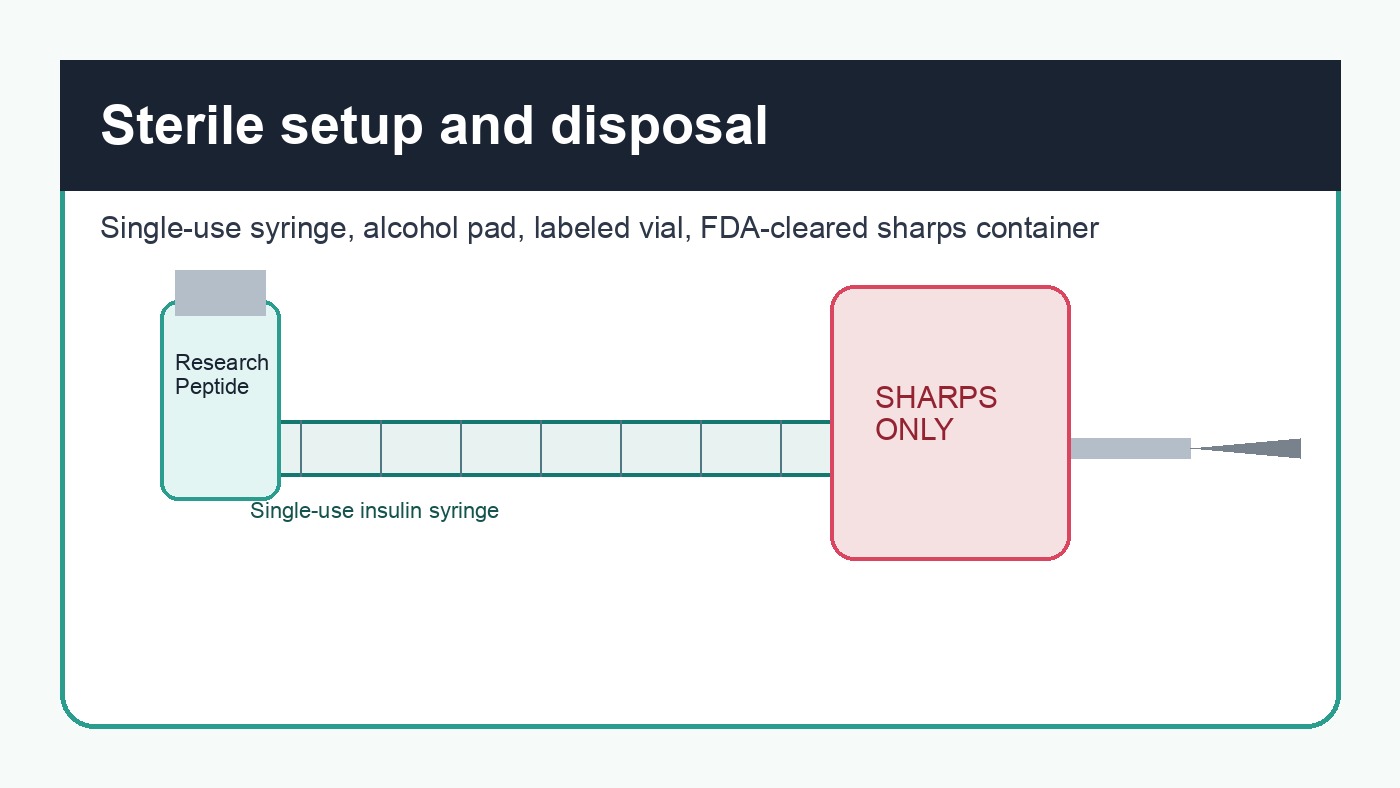
For peptide research workflows rather than prescription autoinjectors, sterile handling and accurate mixing matter even more. PeptidePick has separate guides on the free peptide reconstitution calculator, how to reconstitute peptides, and peptide injection site rotation.
Need Multiple Research Delivery Forms?
Limitless Life Nootropics offers a large research catalog with injectable, spray, and capsule forms for many products after free account registration.
Shop Limitless Life Nootropics →
118+ research peptides in injectable, spray, and capsule forms - create a free account to view the full catalog. Use code PeptidePick for a discount at checkout.
When a Reaction Needs Medical Attention
A local reaction can be watched when it stays small, improves, and does not come with systemic symptoms. Still, medical judgment wins. Readers using prescription tirzepatide should follow their clinician's instructions and the official medication guide.
Get urgent medical help for trouble breathing, throat tightness, swelling of the face or lips, chest tightness, faintness, or widespread hives. Those symptoms can signal a serious allergic reaction.
Contact a clinician promptly if the area becomes very painful, hot, rapidly larger, drains pus, or appears with fever. Those patterns raise concern for infection or a reaction that is no longer just minor irritation.
Watch the pattern, not only the spot
A reaction that repeats at every site after dose escalation may deserve a different discussion than one bruise after a rushed injection. So does a delayed rash that spreads beyond the injection area.
There is also a gray area: itchy local reactions can be miserable without being emergencies. That is where documentation helps. Note the dose, site, time of onset, size, photos if appropriate, and how long it took to fade.
Research Sourcing Notes for Tirzepatide
Tirzepatide sits in an odd category for online readers. It is a real FDA-approved prescription drug in approved branded forms, but it also appears in research peptide catalogs. Those are not the same thing.
Prescription products are regulated medications with labeled indications, dosing, and safety documentation. Research peptides are sold for laboratory research and are not intended for human use. That distinction matters for every safety discussion on this site.
Readers comparing vendors should start with testing transparency, stated research-use labeling, shipping controls, and clear product identity. The broader best peptide companies guide explains how PeptidePick evaluates vendors without treating research products as medical substitutes.
For weight-focused background, see peptides for weight loss, tirzepatide dosage guide, tirzepatide vs semaglutide, retatrutide vs tirzepatide, and best GLP-1 peptide for minimal side effects.
Source Points Behind This Guide
The main numbers in this guide come from FDA and manufacturer prescribing information for tirzepatide products. Mounjaro labeling reports injection site reactions in 3.2% of treated adults versus 0.4% with placebo. Zepbound labeling reports higher rates among antibody-positive patients.
The tirzepatide-specific case report comes from Cureus and PubMed. It describes an injection site rash after tirzepatide in a patient who had previously used another GLP-1 receptor agonist without the same reaction.
The broader injection site reaction categories come from a systematic review and meta-analysis of biologic injection site reactions. It is not tirzepatide-only evidence, so it should be used for symptom classification rather than direct tirzepatide risk estimates.
Current consumer questions cluster around itching, red patches, lumps, bruising, whether to switch injection areas, whether reactions mean antibodies, and when to call a doctor. The best answer is not a single hack. It is pattern recognition plus better technique.
Compare GLP-1 Research Peptide Options
Pinnacle Peptide Labs carries GLP-1SG, GLP-2TZ, GLP-3RT, stacks, and common research supplies for comparison shopping.
Use code Peptidepick15 for 15% off your order
99% pure research peptides - use code Peptidepick15 for 15% off
FAQ
Is a tirzepatide injection site reaction normal?
It can happen. Mounjaro labeling reports injection site reactions in 3.2% of treated adults versus 0.4% with placebo. A mild local reaction is different from an allergic emergency or possible infection.
Why is my tirzepatide injection site red and itchy?
Redness and itching can come from local irritation, immune response, cold medication, wet alcohol, repeated injection in the same area, or skin sensitivity. If the rash spreads or comes with breathing trouble, swelling, fever, or severe pain, seek medical care.
How long should a tirzepatide injection site reaction last?
Many mild local reactions fade over a few days. A reaction that gets worse, expands quickly, becomes hot and painful, drains fluid, or keeps recurring should be discussed with a clinician.
Do injection site reactions mean tirzepatide antibodies?
Not always. Zepbound labeling shows reactions were more frequent in antibody-positive patients, but a local welt does not prove antibody formation. Only clinical testing can answer that question.
Can rotating injection sites help?
Yes, rotation can reduce repeated irritation in one area. The abdomen, thigh, and upper arm are common labeled sites for tirzepatide products, but users should follow the specific medication guide they received.
Should I rub the site after injecting tirzepatide?
Aggressive rubbing can worsen irritation or bruising. Many injection guides favor gentle pressure if needed, then leaving the area alone unless a clinician gives different instructions.
When should I get urgent help?
Seek urgent help for facial or throat swelling, trouble breathing, chest tightness, faintness, or widespread hives. Contact a clinician for fever, pus, rapidly spreading redness, severe pain, or a reaction that does not improve.
Related Articles
- Peptide Injection Site Rotation
- Best Gauge Needle for Peptide Injections
- Tirzepatide Dosage Guide
- Tirzepatide vs Semaglutide
- Peptides for Weight Loss
- Peptide Side Effects