
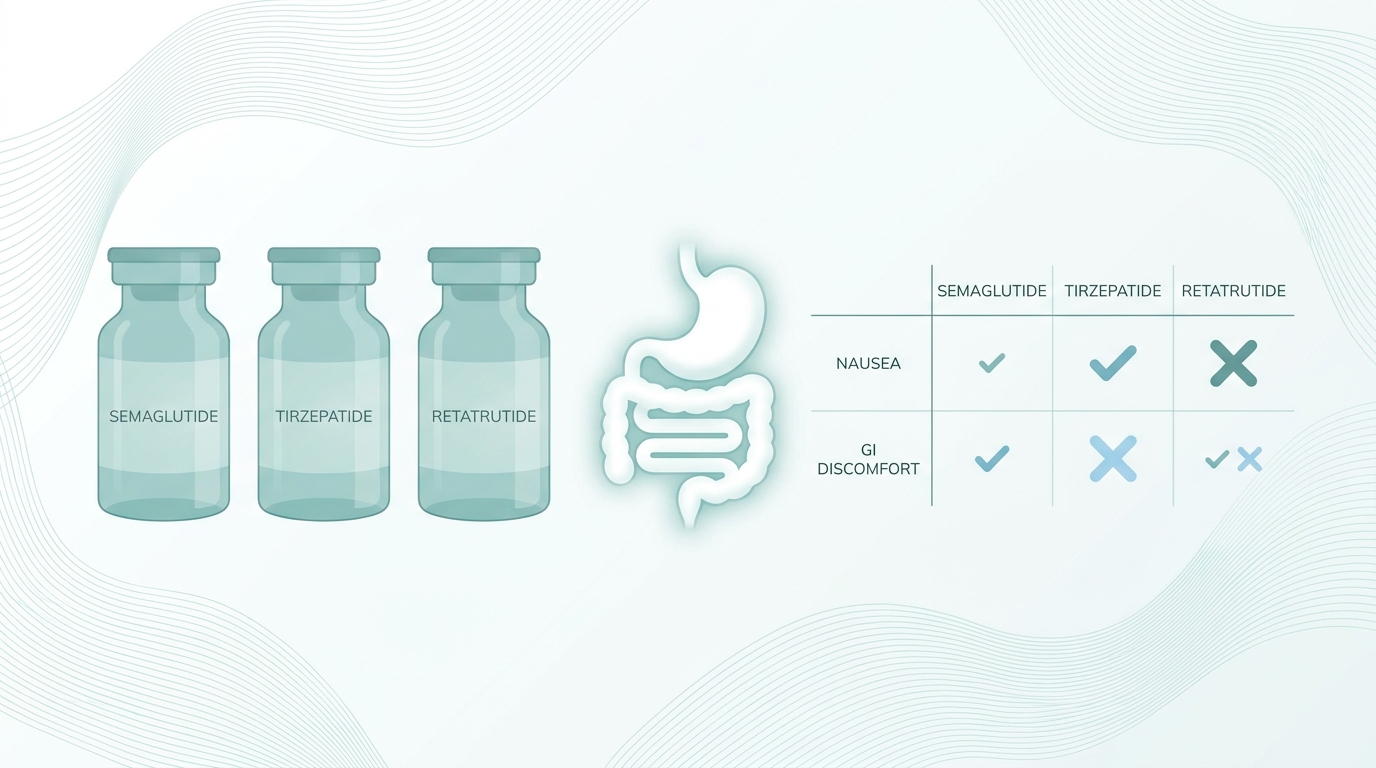
Research and regulatory note: Tirzepatide is an FDA-approved prescription drug when sold as branded Zepbound for chronic weight management or Mounjaro for type 2 diabetes. This guide is for research education only. It is not medical advice, dosing instruction, or a recommendation to buy or use any prescription drug outside a licensed clinician's care.
Tirzepatide Maintenance Dose: Research and Titration Logic
Tirzepatide maintenance dose is the weekly dose used after the initial escalation phase, once the main goal shifts from rapid titration to long-term weight or glycemic maintenance. In FDA labeling for Zepbound, the maintenance choices for weight reduction and long-term maintenance are 5 mg, 10 mg, or 15 mg once weekly, with 15 mg listed as the maximum dose.
The hard part is not naming the dose range. The hard part is interpreting what "maintenance" means in real research: staying at a tolerated effective dose, reducing dose only when response and side effects justify it, and understanding that withdrawal studies show substantial regain after stopping.
TLDR
Zepbound labeling lists 5 mg, 10 mg, and 15 mg once weekly as maintenance doses for weight reduction and long-term maintenance. The starter 2.5 mg dose is for initiation, not chronic maintenance.
SURMOUNT-4 found continued tirzepatide preserved and extended weight loss, while switching to placebo after 36 weeks led to meaningful regain. That is why maintenance dosing is usually studied as ongoing treatment, not a short exit ramp.
For research sourcing, stick with vendors that disclose testing and catalog details. For GLP-1 research peptides, PeptidePick's comparison of best peptide companies is the safest internal starting point.
What a Tirzepatide Maintenance Dose Means
A tirzepatide maintenance dose is the ongoing weekly amount used after dose escalation. It is different from the initial 2.5 mg starter dose, which the Zepbound label describes as treatment initiation rather than a chronic weight-management dose.
In plain language, maintenance begins when the question changes. Early titration asks, "Can this dose be tolerated?" Maintenance asks, "What dose keeps the effect without creating unnecessary side effects?"
That sounds simple. It is not. The public conversation around GLP-1 and GIP drugs often treats maintenance as a clean finish line, but the trial data looks more like chronic-disease management. Weight, appetite, glucose markers, blood pressure, and tolerability can all move at different speeds.
Tirzepatide is a dual GIP and GLP-1 receptor agonist. FDA materials describe Zepbound as reducing appetite and food intake through activation of intestinal hormone receptors. The drug is administered once weekly by subcutaneous injection under medical supervision.
For readers comparing compounds, the related PeptidePick guide on tirzepatide dosage protocols covers the broader escalation schedule. This article focuses on what happens after the escalation phase.
Researching GLP-1 Maintenance Compounds?
Apollo Peptide Sciences carries GLP-1 S, GLP-2 T, and GLP-3 R for lab research comparisons.
Shop Apollo Peptide Sciences →
Specializing in GLP-1 research peptides and growth factors
Tirzepatide Maintenance Dose Range in FDA Labeling
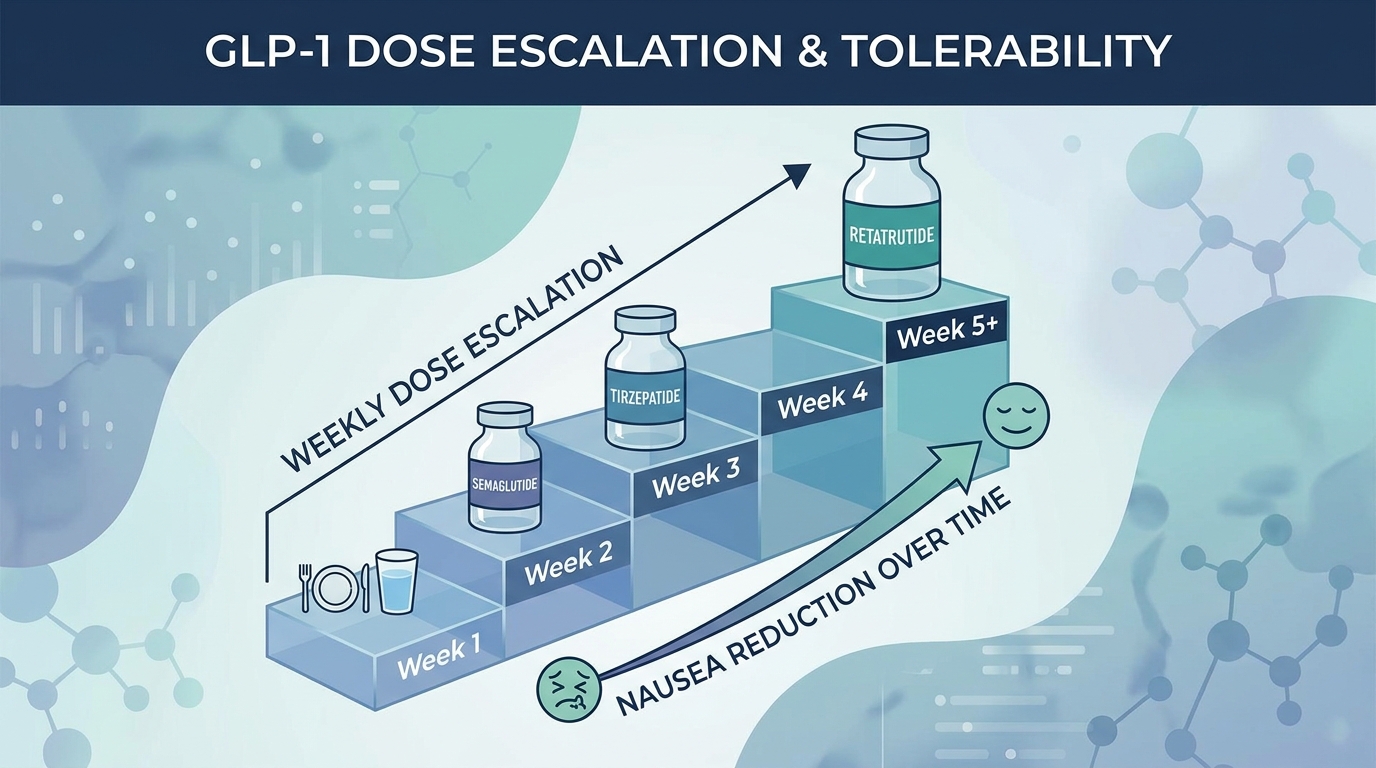
The current Zepbound prescribing information lists a starting dose of 2.5 mg once weekly for four weeks, then an increase to 5 mg once weekly. From there, the dose may be increased in 2.5 mg steps after at least four weeks on the current dose.
For weight reduction and long-term maintenance, the label lists 5 mg, 10 mg, or 15 mg once weekly as recommended maintenance dosages. It also says to consider treatment response and tolerability when selecting a maintenance dose, and to consider a lower dose if a maintenance dose is not tolerated.
| Dose | Label role | Research interpretation |
|---|---|---|
| 2.5 mg weekly | Initiation dose | Used to start treatment and assess tolerance, not labeled for chronic weight maintenance. |
| 5 mg weekly | Maintenance option | Lowest labeled maintenance dose for weight reduction and long-term maintenance. |
| 10 mg weekly | Maintenance option | Middle maintenance dose often discussed when lower-dose response is not enough and tolerability allows escalation. |
| 15 mg weekly | Maintenance option and maximum dose | Highest labeled maintenance dose, used in several trial arms but limited by individual tolerability. |
Mounjaro, the tirzepatide product approved for type 2 diabetes, uses the same active ingredient but a different indication. That distinction matters. Dose conversations online often mix obesity treatment, diabetes treatment, compounded products, and research peptides into one bucket.
PeptidePick keeps those categories separate. For a wider comparison of this drug class, see tirzepatide vs semaglutide and retatrutide vs tirzepatide.
What SURMOUNT Research Says About Maintenance
The strongest maintenance signal comes from SURMOUNT-4, a randomized withdrawal trial published in JAMA. Participants first received open-label tirzepatide for 36 weeks. Then they were randomized to either continue tirzepatide or switch to placebo for 52 more weeks.
The headline finding is blunt: continued treatment preserved more weight loss, while withdrawal led to regain. PubMed's abstract reports an overall mean weight reduction from week 0 to week 88 of 25.3% with continued tirzepatide versus 9.9% with placebo after withdrawal.
That does not prove every person needs the highest dose forever. It does show that stopping therapy is not the same as maintaining the effect. And it explains why "maintenance dose" has become a serious clinical and research question instead of a cosmetic afterthought.

SURMOUNT-1 adds a longer view. The 72-week trial reported large weight reductions across tirzepatide doses in adults with obesity or overweight. A later three-year analysis in participants with prediabetes reported sustained body-weight reduction and a lower rate of progression to type 2 diabetes during ongoing treatment.
The nuance: trial protocols are not a home dosing plan. They have inclusion criteria, monitoring, adverse-event collection, and investigator oversight. Online maintenance discussions often skip that part.
- Label evidence: 5 mg, 10 mg, and 15 mg once weekly are the listed maintenance choices for Zepbound weight reduction and long-term maintenance.
- Withdrawal evidence: SURMOUNT-4 showed meaningful regain after switching from tirzepatide to placebo.
- Longer-term evidence: SURMOUNT-1 follow-up supports sustained reduction during continued therapy, with gastrointestinal adverse events remaining a common limitation.
- Research gap: There is no single published rule that maps every participant to a lower maintenance dose after goal weight.
Tirzepatide Maintenance Dose Titration Logic
The maintenance logic is usually built around three variables: response, tolerability, and the reason tirzepatide is being used. In the label, dose selection explicitly depends on treatment response and tolerability.
Response is not just the scale. In clinical trials, researchers also track waist measures, glycemic markers, blood pressure, lipids, and adverse events. A person may lose weight but still have nausea, reflux, constipation, or appetite suppression that makes a higher maintenance dose unrealistic.
That is why the simple internet question, "What is the best tirzepatide maintenance dose?" has an unsatisfying answer. The label gives a range. The trials show continued therapy matters. The individual dose still depends on medical monitoring.
For research calculations, use the free peptide reconstitution calculator and review how to reconstitute peptides before any lab math discussion. Those pages are for research handling, not self-treatment.
Want the Broadest GLP-1 Research Catalog Access?
Limitless Biotech uses a free VIP account flow for full catalog access, including multiple delivery-form categories for research compounds.
118+ research peptides in injectable, spray, and capsule forms - create a free account for full catalog access
Use code PeptidePick for a discount at checkout after creating your free account
Common Maintenance Patterns People Ask About
Competitor pages and patient forums tend to circle the same questions: staying at the goal dose, stepping down, spacing injections farther apart, or stopping completely. The research evidence is strongest for continued therapy at studied weekly doses. It is weaker for informal dose spacing or self-directed taper plans.
There is a real gray zone here. Some clinicians discuss dose reduction after a stable response. Others keep patients on the lowest effective labeled maintenance dose. The published withdrawal data makes one point hard to ignore: discontinuation often leads to regain.
For a research audience, that means maintenance should not be reduced to "take less after goal weight." A better frame is dose durability. How much drug exposure preserved the measured effect, and what adverse events appeared at that exposure?
Readers looking at lower-dose online trends should also read microdosing tirzepatide. That topic is popular, but the evidence base is not the same as FDA labeling or phase 3 maintenance trials.
Research Sourcing Notes for Tirzepatide Maintenance Dose Review
Research peptide sourcing should be boring in the best way: clear catalog, third-party testing claims, batch documentation where available, and no fake medical promises. If a site uses disease-treatment claims for research peptides, that is a red flag.
For GLP-1 cluster topics, Apollo is the first fit because its catalog is built around GLP-1 research peptides and growth factors. Limitless is useful when delivery-form variety and VIP catalog access matter. Pinnacle is a fit for readers who want a broad research catalog and a visible discount code.
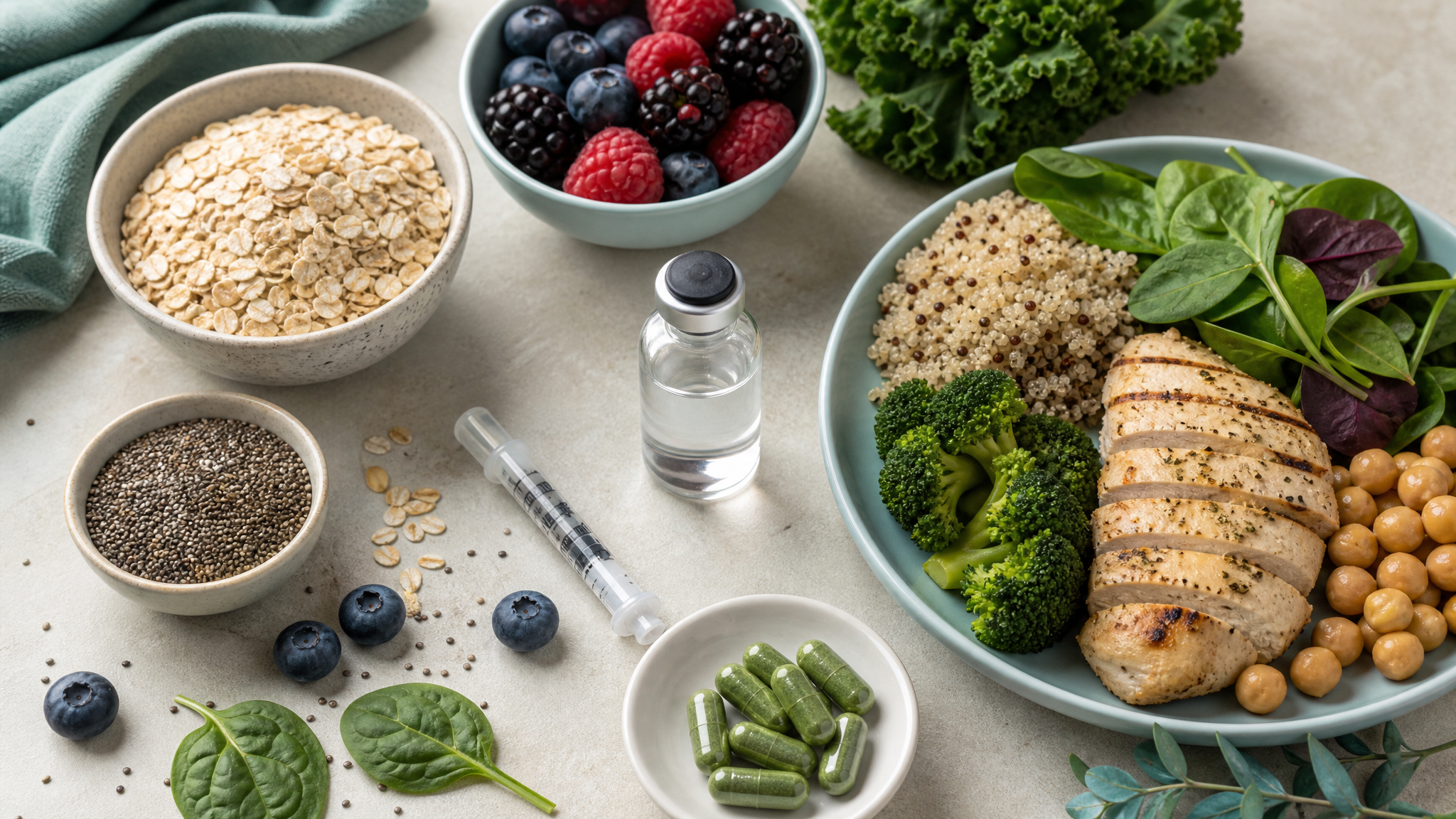
For non-injectable supplement support, Nootropics Depot can be considered an oral supplement alternative, not a peptide source. It sells oral supplements such as NMN, NADH, mushroom extracts, adaptogens, and nootropics, not injectable tirzepatide. The approved link is Nootropics Depot.
For broader weight-management context, read peptides for weight loss, best peptides for weight loss, and best GLP-1 peptide for minimal side effects.
Compare GLP-1 Research Peptides With a Discount
Pinnacle Peptide Labs carries GLP-1SG, GLP-2TZ, GLP-3RT, and other weight-management research compounds.
99% pure research peptides - use code Peptidepick15 for 15% off
Use code Peptidepick15 for 15% off your order
Safety and Compliance Notes
Tirzepatide is not a casual research compound in the public-health sense. The branded products are prescription drugs with warnings, contraindications, adverse-event reporting, and clinician oversight. The common adverse events in obesity trials were often gastrointestinal, including nausea, diarrhea, vomiting, and constipation.
The FDA label also includes boxed-warning language about thyroid C-cell tumors based on rodent findings and contraindications for people with a personal or family history of medullary thyroid carcinoma or multiple endocrine neoplasia syndrome type 2. That warning belongs in any serious dose discussion.
Maintenance conversations should also include supply-chain risk. Compounded and gray-market products may not match branded-drug manufacturing controls. Research peptides should not be marketed as approved drugs, and vendor claims should be read with skepticism.
Related Articles
- Tirzepatide Dosage Guide
- Microdosing Tirzepatide
- Tirzepatide vs Semaglutide
- Retatrutide vs Tirzepatide
- Peptides for Weight Loss
- Free Peptide Reconstitution Calculator
FAQ: Tirzepatide Maintenance Dose
What is the usual tirzepatide maintenance dose?
For Zepbound weight reduction and long-term maintenance, FDA labeling lists 5 mg, 10 mg, or 15 mg once weekly as recommended maintenance dosages. Dose selection depends on response and tolerability under clinician oversight.
Is 2.5 mg a tirzepatide maintenance dose?
The Zepbound label describes 2.5 mg once weekly as the starting dose for treatment initiation. It is not listed as a chronic weight-management maintenance dose.
Can tirzepatide be stopped after goal weight?
SURMOUNT-4 suggests stopping can lead to meaningful regain. Participants who continued tirzepatide through week 88 had much greater average weight reduction than those switched to placebo after week 36.
Is 15 mg always better for maintenance?
No. The highest labeled dose may produce strong effects in trials, but tolerability matters. The label says to consider treatment response and tolerability, and to consider lowering the dose if a maintenance dose is not tolerated.
Does maintenance dosing mean dose spacing?
Published labeling describes once-weekly dosing. Informal dose spacing is discussed online, but it is not the same as the studied weekly maintenance regimens in FDA labeling and phase 3 trials.
Where should researchers start with GLP-1 peptide sourcing?
Start with approved vendors that use real company names, disclosed catalog details, and sponsored-link transparency. PeptidePick's best peptide companies guide is the internal overview.
Affiliate disclosure: PeptidePick may earn a commission when readers click sponsored vendor links on this page. Sponsored links use real approved vendor URLs, and this does not change the editorial research standard.