
Microdosing Semaglutide: What the Evidence Actually Says
Microdosing semaglutide means using lower-than-label or slower-than-label semaglutide dosing, usually to reduce nausea, lower cost, or test tolerance before escalation. The idea is popular online, but the evidence is thinner than the hype.
The strongest semaglutide weight-loss data comes from structured weekly dosing trials, not informal microdosing plans. That matters. Lower doses may be useful in select clinical situations, but they are not the same thing as the 2.4 mg weekly Wegovy protocol studied in large obesity trials.
TLDR
- Microdosing semaglutide is not a formally FDA-approved dosing strategy.
- The best trial data used gradual escalation toward 2.4 mg weekly for weight management.
- Low-dose approaches may help some people tolerate GLP-1 therapy, but weight-loss results can be smaller or less predictable.
- Compounded multi-dose vials raise extra safety concerns because dosing errors have led to 5 to 20 times the intended dose in FDA reports.
- Any semaglutide plan belongs with a licensed clinician, especially for diabetes, pancreatitis risk, gallbladder history, kidney issues, or pregnancy planning.
What Microdosing Semaglutide Usually Means
There is no single medical definition for microdosing semaglutide. In practice, people use the term for several different behaviors: staying at the starter dose longer, using less than the labeled starter dose, spacing injections out, or drawing tiny amounts from a compounded vial.
Those are not equal. A slower escalation schedule supervised by a clinician is very different from guessing units on an insulin syringe from an unapproved vial.
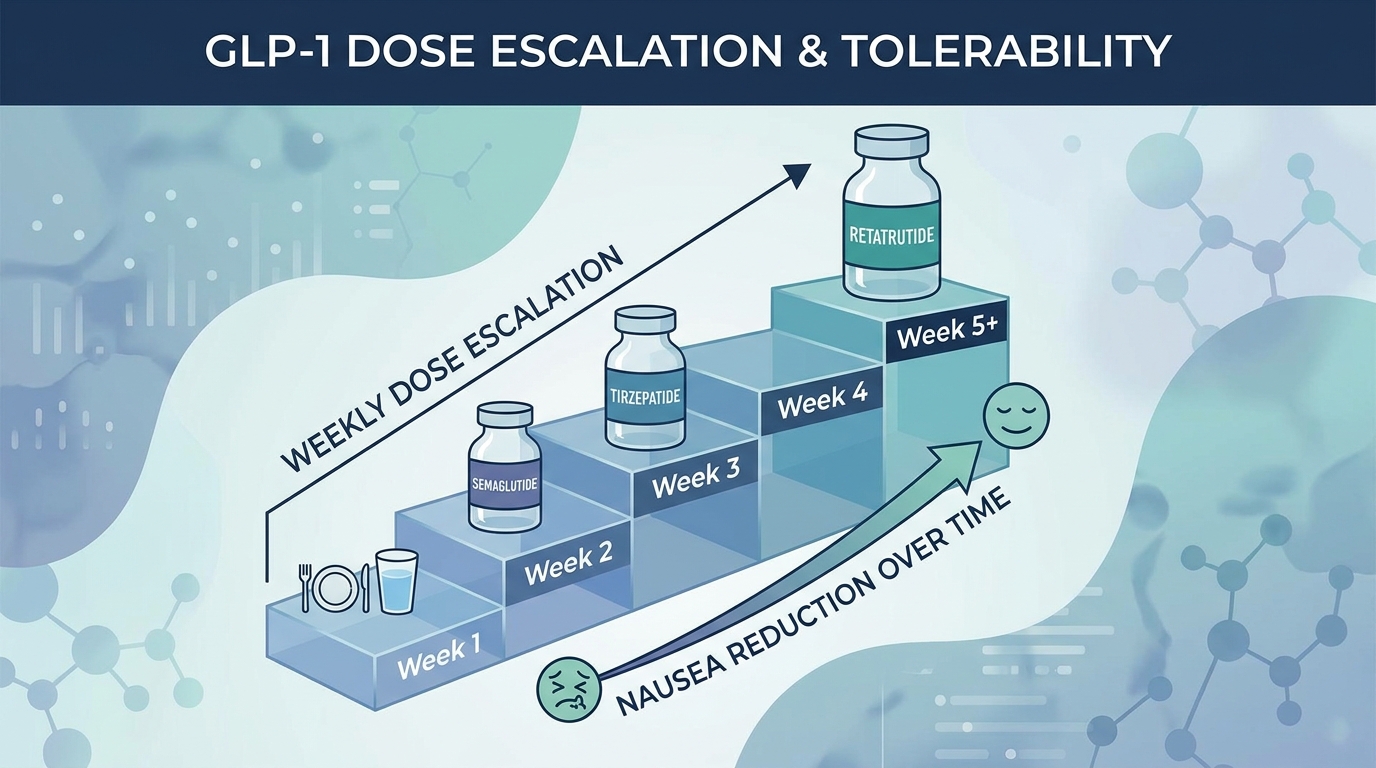
For FDA-approved injectable Wegovy, the adult dose escalation starts low to reduce gastrointestinal adverse reactions, then rises on a set schedule toward maintenance. Ozempic, approved for type 2 diabetes, also starts at a low dose and increases based on clinical need. So the official labels already include a cautious ramp.
Researching GLP-1 peptides from an approved affiliate source?
Apollo Peptide Sciences carries GLP-1 S for semaglutide research plus related GLP peptide categories.
Shop Apollo Peptide Sciences →
Specializing in GLP-1 research peptides and growth factors
Microdosing Semaglutide Evidence: What We Know
The landmark STEP 1 trial studied once-weekly semaglutide 2.4 mg plus lifestyle intervention in adults with overweight or obesity without diabetes. After 68 weeks, the semaglutide group had a mean body-weight change of -14.9% compared with -2.4% for placebo.
That result is the reason semaglutide became a serious obesity drug. But it does not prove that tiny, irregular, or long-term subtherapeutic dosing produces the same outcome.
A clinical review of once-weekly semaglutide for weight management reached the same basic point: strong results came from studied dosing schedules, patient screening, and ongoing monitoring. Semaglutide was not tested as a casual wellness microdose.
There is some emerging discussion around lower-dose semaglutide. A PubMed-indexed 2025 pharmacy commentary argued that lower individualized dosing may help patients who have significant gastrointestinal adverse effects with GLP-1 receptor agonists. That is a narrower claim than the internet version of microdosing.
So the honest answer is mixed. Lower dosing can make clinical sense when a prescriber is managing tolerability. But there is not yet strong trial evidence that self-directed microdosing is an evidence-based weight-loss shortcut.
Why People Ask About Smaller Semaglutide Doses
The demand is easy to understand. Standard GLP-1 treatment can be expensive. Gastrointestinal side effects are common. Some patients want appetite control without dramatic weight loss, and some are nervous about losing lean mass too quickly.
Those concerns are real. The problem is that a smaller dose does not automatically mean a safer plan. A dose that is too low may do little. A dose drawn incorrectly from a vial may be far too high.
Microdose vs Standard Semaglutide Dosing
For weight management, the official Wegovy injection schedule starts with a low weekly dose and escalates over several months. If a patient cannot tolerate a step, the label allows delaying escalation for 4 weeks. That is already a built-in tolerability tool.
By contrast, online microdosing plans often use nonstandard units, nonstandard timing, or compounded products. That makes comparison hard.
One clinic might mean a slower ramp. Another might mean a tiny weekly dose from a multi-dose vial. A forum post might mean something else entirely.
| Approach | What it usually means | Main concern |
|---|---|---|
| Label-based escalation | Starts low, then increases on a studied schedule | Still needs medical screening and monitoring |
| Clinician-directed slower ramp | A prescriber holds a lower dose longer for tolerance | May delay or reduce weight-loss response |
| Self-directed vial microdose | Patient measures a small amount from a compounded vial | Measurement errors, unclear concentration, quality risk |
| Intermittent microdose | Spacing doses out beyond normal weekly use | Limited evidence for durable results |
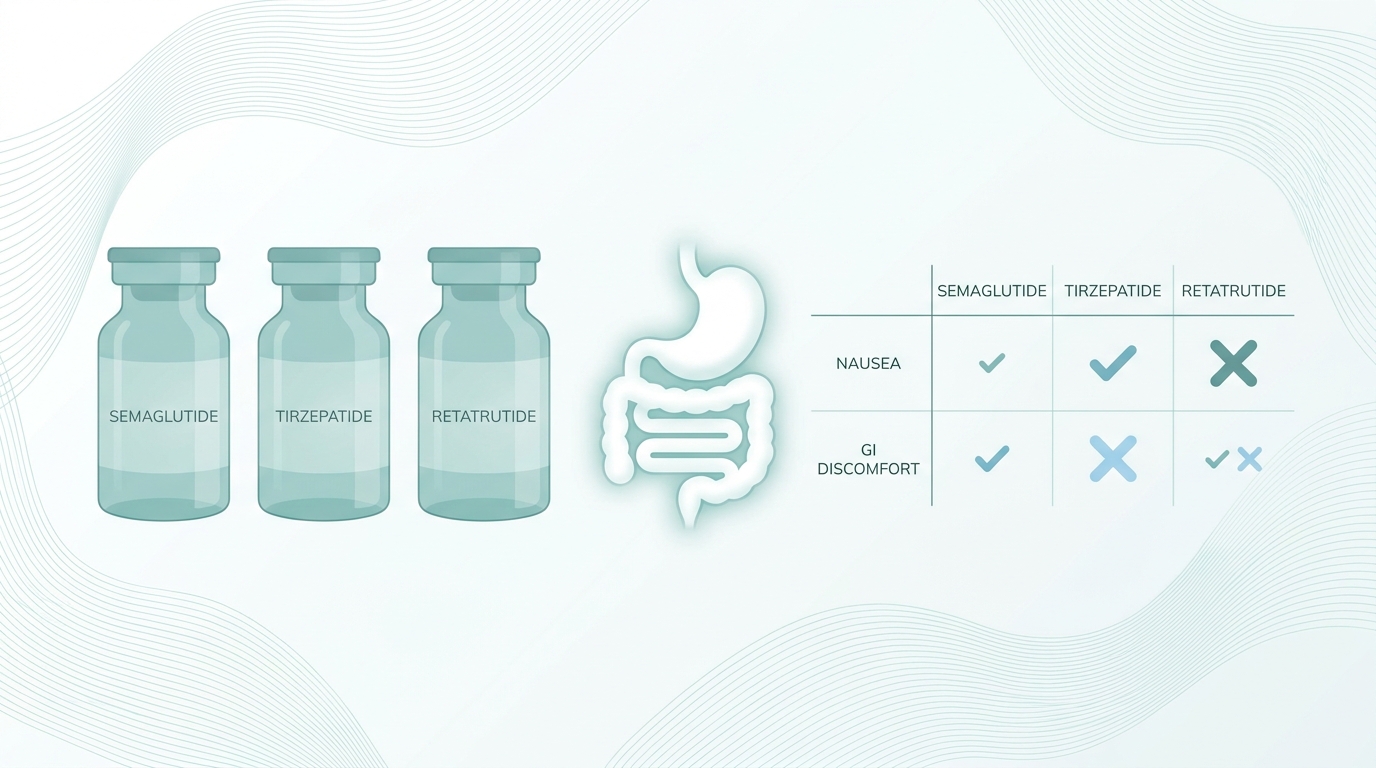
Readers comparing GLP-1 options should also review our guides to semaglutide, tirzepatide vs semaglutide, and retatrutide vs semaglutide. For broader context, see peptides for weight loss.
Microdosing Semaglutide Safety Issues
The biggest safety issue is not the word microdose. It is measurement. The FDA has warned that compounded injectable semaglutide products in multi-dose vials have been linked to dosing errors, including cases where patients took 5 to 20 times more than intended.
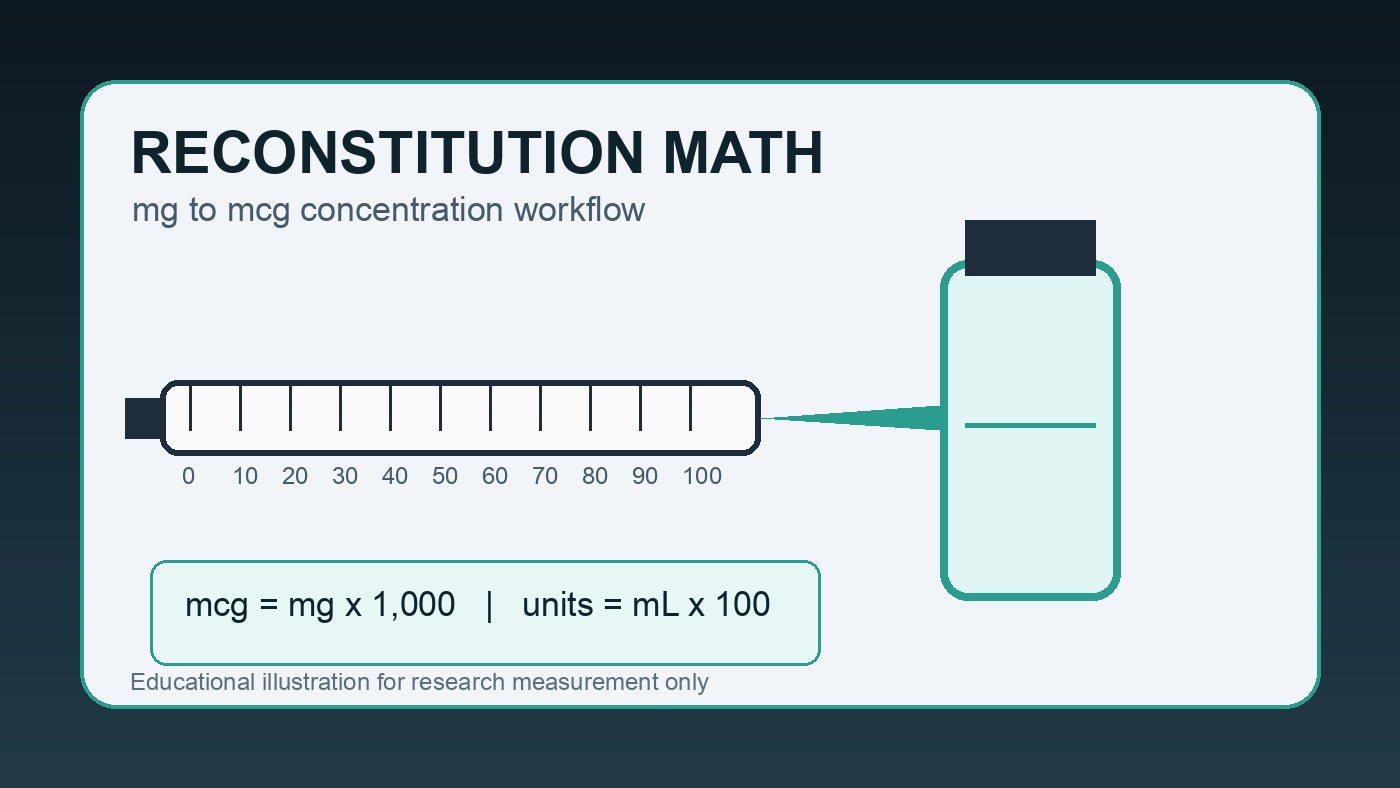
That can happen when instructions switch between milligrams, milliliters, and syringe units. It can also happen when the vial concentration is unclear or the patient has never measured tiny injection volumes before.
Semaglutide also has real medical exclusions and warnings. The labels include a boxed warning about thyroid C-cell tumors observed in rodents, plus warnings around pancreatitis, gallbladder disease, kidney injury from dehydration, hypoglycemia risk when paired with insulin or sulfonylureas, and pregnancy considerations.
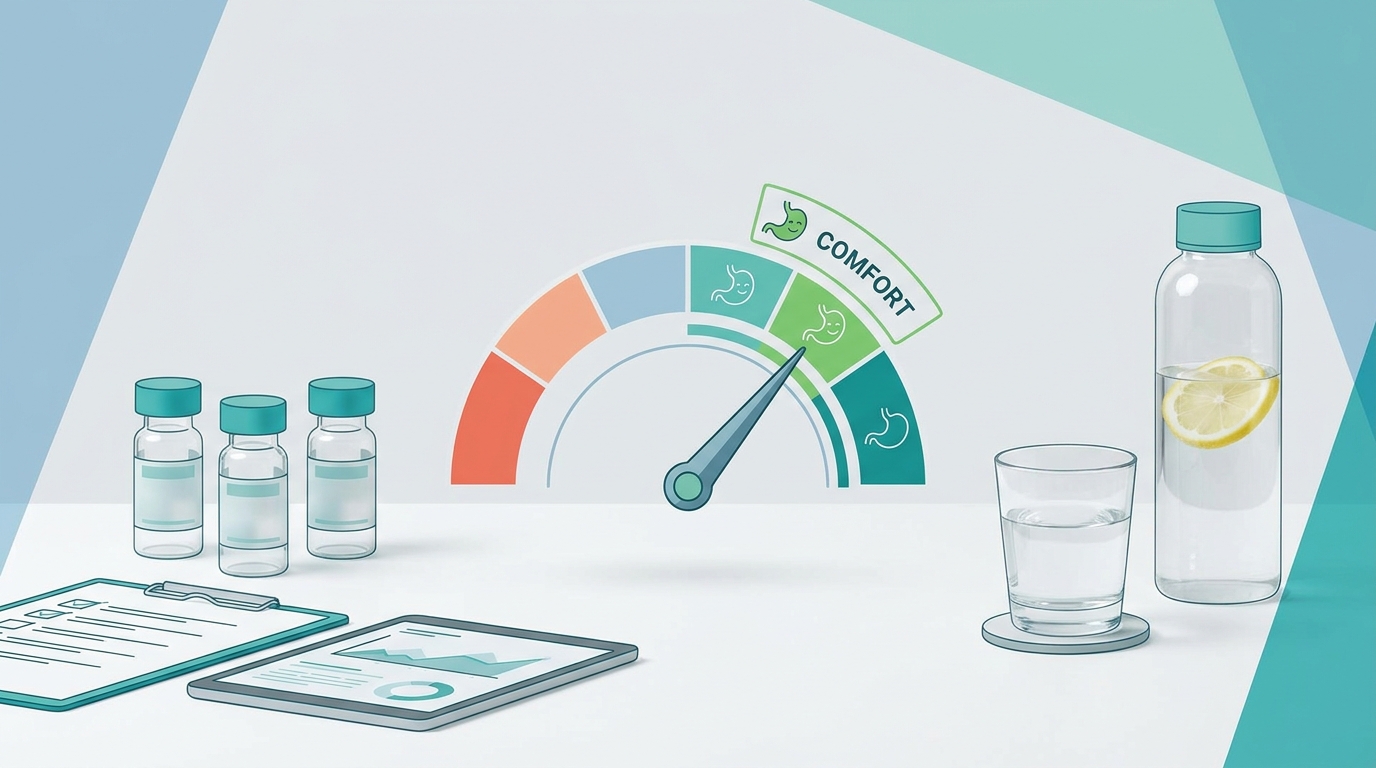
But the nuance matters: some patients truly cannot tolerate fast escalation. For them, the answer may be a clinician-adjusted schedule, anti-nausea planning, hydration strategy, nutrition support, or a different GLP-1 drug. The answer is not guessing.
Want access to a wider research catalog?
Limitless Biotech uses a free VIP account flow that opens the full catalog, including multiple delivery formats across many research compounds.
Create your free account first, then use code PeptidePick for a discount at checkout
118+ research peptides in injectable, spray, and capsule forms - create a free account to access the full catalog
Microdosing Semaglutide and Research Sourcing
Semaglutide sits in an unusual category for PeptidePick readers. It is both an approved prescription drug and a research peptide sold by some research vendors. Those markets should not be blurred.
If someone is seeking treatment for obesity, type 2 diabetes, cardiovascular risk reduction, or weight maintenance, the right path is a licensed medical provider and FDA-approved medication when appropriate. If someone is studying peptide quality, sourcing, or lab-use compounds, the focus shifts to purity documents, batch testing, storage, and careful labeling.
For general vendor screening, start with our best peptide companies guide. Then check peptide quality verification, how to store peptides, and peptide therapy cost.
Any vial-based research workflow also needs clean math. Use the free peptide reconstitution calculator and read how to reconstitute peptides before handling any lyophilized material. Measurement errors are one of the easiest ways to turn a cautious plan into a dangerous one.
What Competitors Often Miss
Most ranking pages focus on dose charts and cost. That is useful, but incomplete. The more important question is whether a lower dose has enough evidence for the goal being claimed.
For appetite control, a clinician may observe response at lower doses. For obesity treatment, the strongest trial evidence still points to structured escalation and maintenance. For long-term health or longevity claims, the evidence is far weaker.
So if a page promises broad benefits from microdosing GLP-1s without clinical trial data, treat it carefully. The safest interpretation is narrow: lower dosing may be a tolerability tactic, not a proven wellness protocol.
Source Notes Behind This Guide
This article uses five source anchors: the FDA Wegovy prescribing information, the Ozempic prescribing information, the STEP 1 semaglutide obesity trial in the New England Journal of Medicine, FDA safety alerts on compounded semaglutide dosing errors, and PubMed-indexed discussion of individualized low-dose semaglutide use.
The most important study number is from STEP 1: -14.9% mean body-weight change at 68 weeks with semaglutide 2.4 mg, compared with -2.4% with placebo. That was not a microdose trial. It was a structured protocol with escalation, lifestyle intervention, eligibility criteria, adverse-event tracking, and follow-up.
The most important safety number comes from FDA dosing-error alerts. Some compounded injectable semaglutide reports involved patients taking 5 to 20 times the intended amount. That is why this guide keeps returning to units, concentration, and vial math instead of treating microdosing as a harmless tweak.
There is also a plain legal distinction. FDA-approved semaglutide products are prescription drugs. Research-labeled semaglutide is not a substitute for clinical care, and it should not be marketed as treatment for obesity, diabetes, or cardiovascular risk.
One more practical point: appetite suppression is not the only outcome that matters. Clinicians also watch hydration, constipation, protein intake, lean-mass loss, blood glucose, gallbladder symptoms, and whether the patient can stay consistent without feeling sick. A lower dose that feels easier but produces no measurable progress may not be useful. A higher dose that works but is not tolerated is not a good plan either.
Bottom Line
Microdosing semaglutide is popular because it sounds precise, affordable, and gentler. Sometimes a lower or slower schedule can be clinically reasonable. But the evidence base is not the same as the evidence for standard semaglutide protocols.
The clean takeaway: use the lowest effective dose under medical supervision, not the lowest dose that sounds good online. And be extra cautious with compounded vials, because FDA safety alerts show that dosing math errors are not theoretical.
Compare GLP-1 research options with batch-focused vendors
Pinnacle Peptide Labs carries GLP-1SG plus related research peptides and stacks for lab-use comparison.
Use code Peptidepick15 for 15% off your order
99% pure research peptides - use code Peptidepick15 for 15% off
Related Articles
- Semaglutide Guide: Research Overview and Sources
- Peptides for Weight Loss: Research Compounds vs FDA-Approved Options
- Best GLP-1 Peptide for Minimal Side Effects
- Tirzepatide vs Semaglutide
- Compounded Semaglutide vs Ozempic
- Peptide Dosage Calculator: How to Convert mg to Units
FAQ
Is microdosing semaglutide FDA approved?
No. Semaglutide products have FDA-approved labeled dosing schedules, but informal microdosing is not a separate approved protocol.
Can microdosing semaglutide reduce nausea?
A lower or slower clinician-directed dose ramp may help some patients tolerate therapy. It can also reduce expected effect. The tradeoff should be managed by a prescriber.
Does microdosing semaglutide work for weight loss?
The strongest obesity data comes from structured weekly semaglutide dosing that escalates toward maintenance. Evidence for long-term self-directed microdosing is limited.
Why are compounded semaglutide vials risky?
The FDA has reported dosing errors with compounded injectable semaglutide, including patients taking 5 to 20 times the intended dose. Confusing unit conversions are a major cause.
Is semaglutide a peptide?
Yes. Semaglutide is a GLP-1 receptor agonist peptide analog. In medicine, it is a prescription drug. In research markets, it may also appear as a lab-use peptide.
What should readers check before comparing vendors?
Check the vendor name, testing documents, batch identity, storage expectations, and whether the product is labeled for research only. Do not treat research sourcing as medical care.